In 2025, Europe found itself at a demographic and social crossroads, where the process often described as “Islamisation” – driven largely by significant migration from predominantly Muslim countries – continued to fuel not only intense public debate but also visible, everyday effects felt by citizens.
- Istorie și „hârdău de ocări” la aniversarea PNL
- Tulsi Gabbard demisioneazǎ din fruntea serviciilor de informații ale SUA
- TikTok și Youtube „nu sunt suficient de sigure” pentru copii
- 20 de ani fără EA
- Înalta Curte trage un semnal de alarmă la CCR: Măsuri aberante care lasă românii de rând fără apărare
Variable Geometry
Islamisation is no longer merely a statistical reference; it is reflected in profound shifts in Europe’s demographic structure, crime dynamics, and cultural landscape. As migrant populations grow, the numbers reveal significant imbalances between newcomers and native populations, while reliance on social welfare systems places additional pressure on national economies.
At the start of 2024, the European Union counted approximately 44.7 million people born outside the EU—representing 9.9% of the total population. This figure has risen steadily in recent years, contributing to a diversification that, in some countries, is reshaping traditional demographic balances.
In nations such as Germany, home to over five million Muslims, migrant communities account for more than 15% of the population in several western regions. Their presence is increasingly visible not only in official data but also in urban environments, where some residents report feeling both outnumbered and insecure.
These demographic shifts come with economic challenges: many migrants face difficulties entering the labour market and rely on social assistance, while concerns about crime rates have intensified. Several European cities have reported rising incidents of knife attacks, which have become emblematic of broader debates over public safety.

Demographic Disparities
Let us first examine the concrete demographic aspects that provide a factual basis for understanding the scale of what some analysts describe as Europe’s “Islamization.”
At the beginning of 2024, approximately 44.7 million people born outside the EU accounted for 9.9% of the bloc’s total population.
In Western and Northern Europe, the share of immigrants often exceeds 15%, while in the eastern part of the continent, the numbers remain below 5%—a contrast that highlights the divide between more open Western policies and more restrictive Eastern approaches.
In Germany, one of the main destinations for migrants from Muslim-majority countries, the proportion of foreign-born residents rose from 13.6% in 2023 to 14.1% in 2024. Projections for 2025 suggest the upward trend will continue, driven by ongoing arrivals from the Middle East and North Africa. Long‑term estimates indicate that by 2050, foreign-born residents could represent around 20% of the population.
France, with its long history of immigration from the Maghreb, now counts roughly 11.6 million immigrants, while in Sweden—known for its generous asylum policies—migrants make up as much as 20% of the population in certain urban areas.
These figures reflect a reality in which, in cities such as Paris or Berlin, native European populations perceive rapid cultural change. In some districts, abandoned churches have been repurposed while new mosques have appeared, and practices such as the call to prayer or the wearing of the veil have become more visible in public spaces once defined primarily by secular Western norms.
At the same time, some communities report concerns about urban degradation, pointing to changes in cleanliness, infrastructure, and the overall aesthetic of certain neighbourhoods.
This demographic imbalance is closely linked to economic dynamics. Employment rates among migrants often lag behind those of native populations, contributing to higher reliance on social welfare systems.
Official 2024 data show that the employment rate for immigrants in the EU stood at 74.9%, compared with a general average of 75.8%. However, these figures mask deeper disparities: non-EU migrants—many from Muslim‑majority countries—face unemployment rates of 15–20% in countries such as Sweden or Belgium.
The contrast between Western and Eastern Europe persists: in the West and North, immigrants frequently exceed 15% of the population, while in the East, the share remains below 5%.
Other reports, including those from the OECD and EU institutions, indicate that around 45% of non–EU migrants aged 15–64 have low or no formal education, which limits their access to the labour market. Yet only about 14% are officially classified as unemployed. Among those neither employed nor enrolled in education or training, nearly a quarter are young people aged 15–29. Additionally, 22–25% of newly arrived migrants in Europe work part-time.
Spending on Migrants
It would be unfair not to acknowledge the migrants with higher education—around 35% of all those arriving in the EU—, but it is equally important to note that official statistics do not clearly distinguish between the share of legal migrants versus those who arrived irregularly.
According to Eurostat, in 2024, authorities identified 918,925 non-EU nationals residing illegally within the European Union. Academic analyses cited in the press estimate that the number of irregular migrants in 12 European countries ranges between 2.6 and 3.2 million, representing 8–12% of all non-EU migrants in those states, just 12 out of 27 EU members.
In Germany, studies indicate that over 40% of recently arrived migrants rely on social benefits, compared with 10–15% of German citizens. This disparity creates a fiscal burden that translates into higher taxes for the working population.
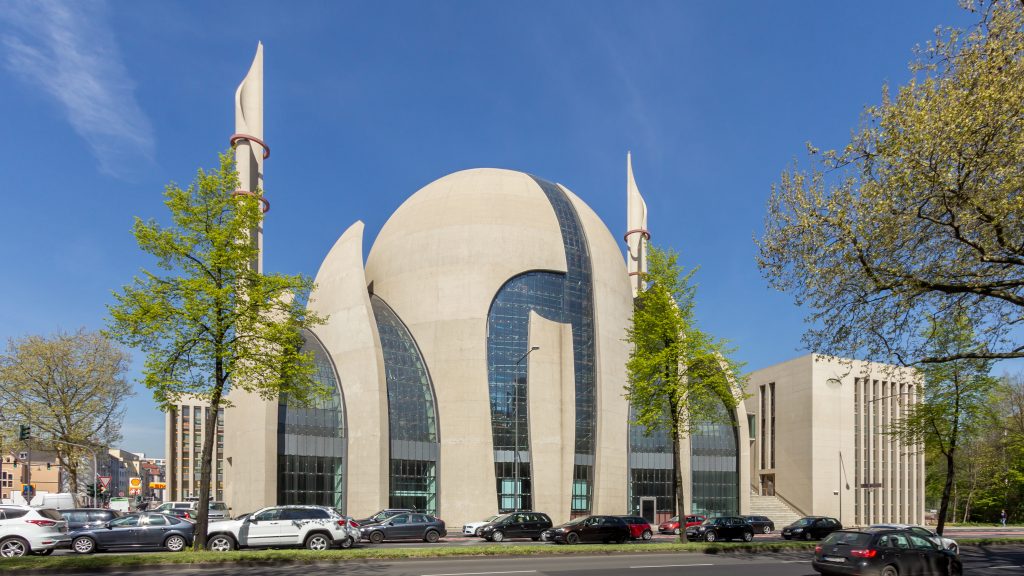
Mosque in Koln
In France, where integration costs include language courses and vocational training, more than 30% of newcomers access social assistance during their first years of residence, compared with under 10% of native citizens. These differences stem from language barriers, the lack of recognised qualifications, and—in some cases—cultural factors that complicate integration into Western labour markets. Gender norms or religious expectations may also affect employment, particularly among women from conservative communities.
The costs of housing and supporting migrants represent another major dimension of the issue, with significant budgetary implications for European states. In 2025, spending on migrant accommodation surged amid a continent-wide housing crisis.
In Germany, 40% of recently arrived migrants rely on social welfare benefits, compared with only 10–15% of native Germans.
In the United Kingdom, annual costs for housing asylum seekers exceed £2 billion, with entire hotels converted into reception centres. In Germany, the budget for integration programs and temporary housing surpasses €20 billion per year, including subsidies for rent and utilities.
In the Netherlands, where the housing shortage is particularly severe, migrants often pay exorbitant rents for substandard accommodation, with the state providing financial support. Studies from 2025 suggest that each new wave of immigration has contributed to up to an 8% increase in housing prices.
France spends roughly €15 billion annually on social housing programs for migrants, while in Sweden, the per‑migrant cost can reach €50,000 per year, covering accommodation, food, and medical services.
These figures do not include indirect effects, such as rising housing prices for locals. In cities like London or Paris, property prices increased by 5.7% in 2025, partly due to additional demand from migrant populations.
Overall, European fiscal systems are under pressure from these expenditures. Independent studies estimate that a migrant child represents a net cost of nearly $59,000 per decade, while older adults may contribute positively—but only if they integrate quickly into the labour market.
These costs are not isolated. They contribute to growing budget deficits, prompting the European Commission to allocate an additional €3 billion in 2025 for migration management, on top of the €11 billion already planned for 2025–2027.
In the United Kingdom, annual spending on housing asylum seekers exceeds £2 billion, with entire hotels repurposed as reception centres.
Lack of Safety
Turning to public‑security concerns, the surge in knife attacks has become a symbol of the insecurity often associated with unregulated migration.
In England and Wales, the year ending in March 2025 recorded roughly 53,000 knife-related offences, a slight 1.2% decrease from the previous year but still an alarming figure—especially given the 86% increase over the past decade in London. In the British capital, where migrant populations exceed 40% in some districts, “knife crime” reached 16,344 cases in 2024/2025, with around 20 hotspots in the West End, areas where gangs—often composed of young migrants—are reported to exert territorial control.
Germany reports a similar trend, with thousands of annual incidents linked to street violence, while in France, knife attacks are frequently associated with inter-community tensions in suburban areas. Unofficial data suggest migrants may be overrepresented in such cases, though officials dispute direct causal links. Those who raise the issue publicly often face accusations of “Islamophobia.”
Within debates about cultural change, these incidents are sometimes interpreted as manifestations of imported norms, with violent conflict resolution appearing more frequently in areas with high migrant density.
The correlation between rising migrant numbers and crime remains highly contested, but available data provide concrete examples. In the EU, a net migration gain of 2.3 million people in 2024 offset natural population decline yet coincided with an increase in reported crimes. In Germany, unofficial reports indicate that during periods of large inflows—such as the arrival of 4.3 million non-EU migrants in 2023—crime rates rose by 5–10% in affected regions. In Sweden, an 18% increase in migrant populations in recent years has been associated with a doubling of gun-related violence, though authorities deny a direct causal relationship.
These mixed data fuel ongoing debates, while public perception increasingly links migration with insecurity, contributing to social tensions.
Female Genital Mutilation (FGM) affected more than 600,000 women in the EU in 2025, with an estimated 190,000 at risk. High rates are reported in the United Kingdom, Sweden, and Germany, with thousands of additional cases in Austria, Denmark, Luxembourg, and Spain. Central European countries report minimal cases due to lower migration levels.
Sexual violence has risen by 5.5% across the EU between 2023 and 2025, with 243,715 sexual offences (including 91,370 rapes) recorded in 2023. Sweden has the highest rate—90 per 100,000 inhabitants—followed by the UK (53) and Germany (12.5). Central European countries report far lower rates: Poland (1.5) and the Czech Republic (7.3).
Finally, some analysts argue that migrant populations contribute to a potential social‑system strain by amplifying demographic and economic pressures. Europe faces a severe ageing crisis: without migration, the population could theoretically shrink by one‑third by 2050. Yet the current influx—largely from Muslim‑majority countries—brings cultural challenges that some believe may erode social cohesion. This raises the question of whether population declineor cultural transformation poses the greater long-term risk.
Segregation into urban enclaves has led to parallel social structures in some areas, where local norms diverge sharply from mainstream European values, contributing to fragmentation and occasional conflict. Without effective integration policies—an area many critics say has been neglected—this process risks accelerating a broader erosion of the European social model, turning the continent into a mosaic of unstable cultural enclaves.
The phenomenon often described as the “Islamization of Europe”, illustrated through these statistics and examples, raises significant concerns in public debate. From demographic imbalances to economic costs and rising crime, many argue that Europe must rethink its policies to preserve social stability—while others point to Eastern Europe’s more restrictive approach as an alternative model of resilience.
Clashes Between Muslims and Europeans
Ethnic clashes and protests intensified in 2025, driven by migration pressures and deepening cultural tensions.
In the United Kingdom, anti‑immigration protests led to more than 1,800 arrests between 2024 and 2025, with hundreds injured during major confrontations in Southport and London, where police deployed over 1,000 officers. In Ireland, demonstrations in Dublin resulted in more than 100 arrests in 2025, with incidents of arson and attacks on police linked to migration-related unrest.
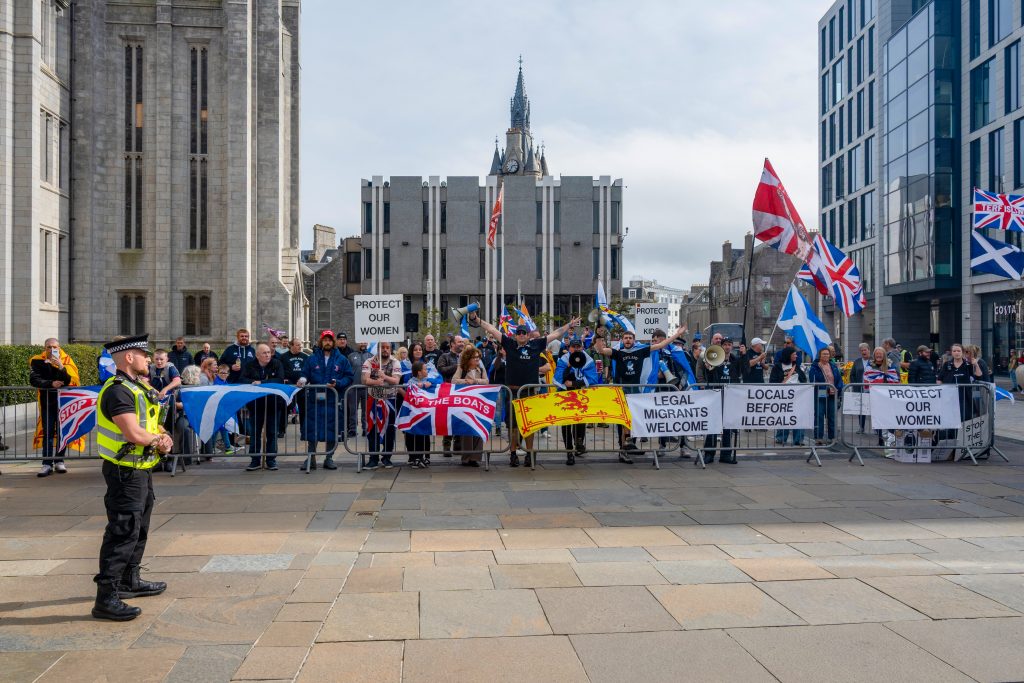
Anti-migration protests in the United Kingdom
Scandinavian countries also reported increases. Sweden recorded more than 200 ethnic clashes in urban areas such as Malmö over the past two years, with an 8–10% Muslim population contributing to heightened polarisation. In the Benelux region, Belgium reported five injuries and one arrest in a major incident in Torre‑Pacheco, while the Netherlands saw violence at anti-migration demonstrations, including vandalism and confrontations with police.
Across the EU, a net migration gain of 2.3 million people in 2024 offset natural population decline but coincided with rising crime rates.
Germany and Austria experienced protests in Chemnitz and other cities, with more than 60% public opposition to migration in some surveys and over 300 police officers injured in clashes during 2024–2025.
The EU TE‑SAT 2025 report noted a 10% increase in Islamist-related terrorist threats, with more than 400 arrestsacross Europe. Meanwhile, Central European countries such as Poland and Hungary, where Muslim populations remain below 1%, reported no major clashes in 2025, a situation attributed to strict border controls and refusal to participate in EU relocation quotas.
Church Arson in France
Attacks on churches increased in 2025, with France recording 50 cases of arson in 2024, continuing a trend marked by a 30% rise compared with 2023.
Reports indicate 2,444 anti-Christian offences in Europe in 2025, with France accounting for 60–70% of all cases, including around 800 acts of vandalism each year and 200 confirmed arsons between 2021 and 2024.
Specific incidents include the deliberate fire at Église Saint‑Germain in La Châtre on 29 September 2025 and the attack on Notre‑Dame des Champs in Paris on 24 July 2025. Earlier data show 27 church fires in 2023 (eight confirmed as arson) and 26 in 2024 (14 confirmed as arson).
The EU TE‑SAT 2025 report notes a 10% increase in Islamist-related terrorist threats, with more than 400 arrests across Europe.
The OIDAC Observatory (Observatory on Intolerance and Discrimination Against Christians in Europe) estimates 1,200–1,500 deliberate church arsons across Europe between 2015 and 2025, excluding minor incidents.
Migrants and Politics
Access to political decision-making spheres for migrants in Europe is a complex issue, marked by notable progress in some countries and persistent barriers in others—developments that carry varied consequences for society and public policy.
In 2025, as Europe continued to face migration flows and heated debates over integration, migrants—and their descendants—managed to enter positions of influence, from national parliaments to local governments and even European institutions. Yet this access remains limited, often conditioned by citizenship, long-term residence, and cultural integration. The consequences include both broader representation and social tensions, political polarisation, and accusations of favouritism in migration policies.
Political participation for migrants is tightly regulated in most European countries. According to the MIPEX 2025 report, which evaluates integration policies in 27 EU states, the average score for political participation among non-EU migrants is 37 out of 100, making it the weakest area of integration.
Non-EU citizens lack voting rights in 12 countries. In Germany and Belgium, these structures have recently been weakened, while reforms in Ireland and Luxembourg have reduced their influence. As a result, migrants often need to obtain citizenship—a process that can take years—to access decision-making roles, limiting opportunities for newcomers and favouring second-generation residents.
Despite these barriers, several high-profile politicians of migrant origin have reached influential positions, particularly in countries with more open political traditions such as the UK, France, and Germany.
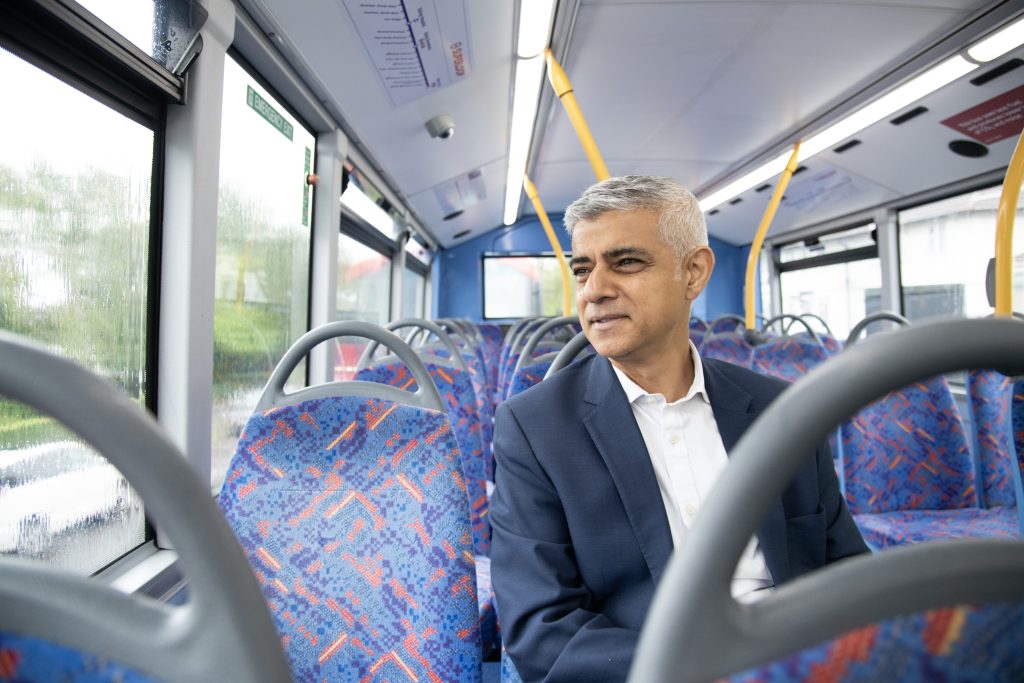
Sadiq Khan. Foto gov.uk
Sadiq Khan, Mayor of London since 2016, born to Pakistani migrant parents, became the first Muslim mayor of a major European capital. His policies on housing and transport have been influential, though critics argue his pro-diversity stance has fuelled tensions amid migration debates.
Rishi Sunak, UK Prime Minister from 2022 to 2024, has Indian heritage through parents who migrated from East Africa. His term included economic reforms and stricter immigration policies, which sparked debates about cultural identity and political positioning.
Humza Yousaf, of Pakistani descent, served as Scotland’s First Minister in 2023–2024, promoting progressive policies before resigning amid controversies over migration and national identity.
Cem Özdemir, Germany’s agriculture minister since 2021, born to Turkish migrant parents, has shaped environmental policy but has also faced criticism in public debates over national identity.

Rachida Dati. Foto FB
Rachida Dati, of Moroccan‑Algerian origin, became France’s culture minister in 2024 after previously serving as justice minister. Her stance on immigration has sparked discussions about assimilation versus multiculturalism.
These examples show that political integration is possible, often through centre-left or green parties. However, representation remains limited: in Germany, for instance, migrants and their children make up a significant share of the population but remain underrepresented in politics, according to an OECD study from 2025.
The impact of migrant political participation is two-sided. On the positive side, greater representation promotes inclusion and brings diverse perspectives into policymaking. Figures like Khan and Özdemir have supported policies addressing minority needs—such as language integration programs and anti-discrimination measures—which, according to MIPEX 2025, help increase public trust and reduce civic disparities.
On the other hand, negative consequences are often amplified in public debate, especially amid the 2025 migration crisis. Critics argue that some politicians of migrant background support pro-migration agendas that they believe weaken national identity or increase insecurity.
In Eastern Europe, where access to political participation is even more limited, tensions have manifested in resistance to EU migrant quotas. Countries such as Poland and Hungary have refused relocation schemes, leading to fines of €20,000 per rejected migrant and heightened friction with Brussels.
Sharia Tribunals
The development of parallel legal structures in Europe through the establishment of Sharia-based tribunals remains a controversial topic, blending legal, cultural, and social dimensions within the context of Europe’s Muslim diversity.
As of 2025, no European country has an official parallel legal system based on Sharia that functions as a full alternative to secular courts. However, voluntary arbitration mechanisms and Islamic councils do exist, applying Sharia-inspired principles in private disputes—on the condition that they do not violate national or European law. These bodies are often criticised for potentially fostering “parallel societies”, yet they remain subordinate to the dominant legal framework, including the European Convention on Human Rights (ECHR).
Sharia, as an Islamic legal system, is not recognised as an official parallel legislation in any European state.
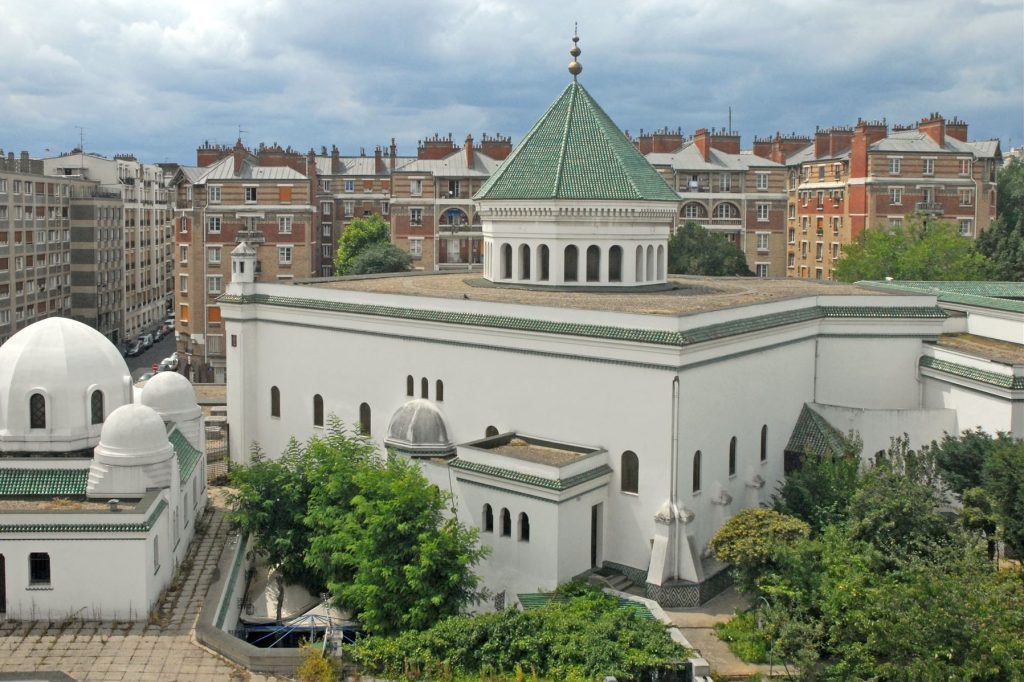
Mosque in Paris
The European Court of Human Rights (ECHR) ruled in 2003 that Sharia is incompatible with democratic principles and fundamental rights, prohibiting the introduction of a parallel system that would create discriminatory legal pluralism.
This stance has been reiterated in Council of Europe resolutions, which express concerns that Sharia-based norms may conflict with gender equality, religious freedom, and other universal rights.
A landmark example is the Molla Sali v. Greece case, in which the ECHR condemned the mandatory application of Sharia to the Muslim minority in Thrace. This led to legislative reform in Greece in 2018, making Sharia arbitration optional. By 2025, Greece continued monitoring these practices to ensure compliance with ECHR standards, with no signs of expansion.
In some European countries, limited forms of Sharia councils operate as voluntary arbitration bodies for civil disputes such as divorce, inheritance, or commercial contracts. These bodies have no legally binding authority and must comply with national law.
A recent and controversial example emerged in Austria, where in August 2025 the Vienna Regional Court validated a Sharia‑based arbitration decision in a commercial dispute between two Muslim men involving €320,000. The court ruled that voluntarily choosing Sharia as the basis for arbitration did not violate Austrian fundamental values, provided it did not involve discrimination or breach public order.
The decision sparked strong reactions: parties such as the FPÖ criticised it as a step toward “Islamic parallel societies”, while secular organisations like the Turkish Cultural Community warned that it contradicted the ECHR’s 2003 ruling against legal pluralism.
As early as 2003, the European Court of Human Rights (ECHR) ruled that Sharia law is incompatible with democratic principles and fundamental rights, prohibiting the establishment of a parallel legal system that would lead to discriminatory legal pluralism.
In the United Kingdom, Sharia councils have existed since the 1980s. There are an estimated 85 such councils in England and Wales, and a Muslim Arbitration Tribunal is officially recognized under the Arbitration Act of 1996, allowing civil disputes to be resolved using Sharia principles.
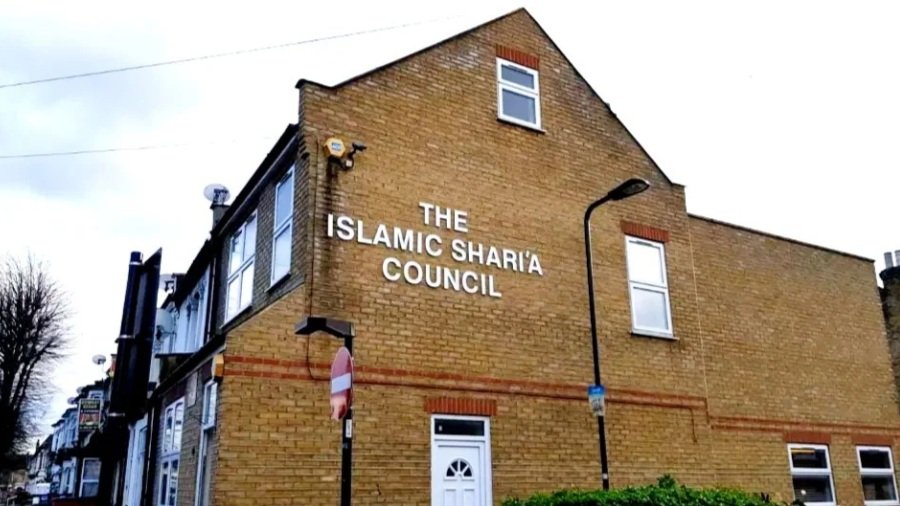
Sharia Court United Kingdom
These bodies must operate within the limits of English law: their decisions are not binding, and any discriminatory outcome—such as unequal inheritance or divorce rulings—can be challenged in secular courts. In 2025, the UK government reiterated that these councils are compatible with British values but warned against abuses, including pressure on women to accept unfavorable decisions.
Critics, including Christian organizations, argue that these mechanisms risk creating “parallel justice”. A recent case in Manchester in February 2025, where a judge referenced respect for the Qur’an in a desecration case, intensified debates about the perceived influence of Sharia principles in the judicial system.
In Eastern European countries such as Poland and Hungary, such structures are nonexistent or explicitly banned, reflecting stricter anti‑Islamisation policies.
The implications of these limited developments are multifaceted. Supporters argue that Sharia councils offer a way to respect cultural diversity and resolve disputes amicably, reducing pressure on state courts. Critics warn of risks such as:
- the creation of enclaves where women and children may be disadvantaged,
- the erosion of social cohesion,
- and the potential for radicalisation.
In 2025, the European Parliament debated concerns about threats to the rule of law, calling for strict monitoring of such practices. Meanwhile, organisations such as Jihad Watch report what they describe as a “rise in the use of Sharia courts,” framing it as evidence of Islamisation and fuelling populist narratives and calls for “remigration.”
A Suicide of Europe?
The concept of “Europe’s suicide” in the context of migration gained prominence through the work of British author Douglas Murray, particularly his 2017 book The Strange Death of Europe: Immigration, Identity, Islam. Murray argues that Europe is undergoing a process of cultural and demographic self‑destruction, driven largely by mass immigration from non‑European countries, combined with declining native birth rates, a loss of confidence in traditional values, and multicultural policies that, in his view, erode the continent’s identity.

Douglas Murray
He describes this phenomenon as a “suicide” because, he claims, European leaders have consciously chosen to promote uncontrolled immigration, ignoring long‑term consequences such as social tensions, insecurity, and the dilution of Europe’s cultural heritage.
Murray highlights the demographic decline of native populations—fertility rates around 1.5 children per woman in many European countries in 2025—combined with large inflows of migrants from culturally different regions. This, he argues, leads to an irreversible transformation of society, turning Europe into a mosaic of enclaves that no longer share common values.
This idea is not new. It echoes earlier debates on the decline of civilisations, inspired by authors like Oswald Spengler or more recent conservative thinkers. Murray applies it specifically to the post‑2015 migration wave, when millions of refugees and migrants—mostly from Muslim‑majority countries—arrived in Europe, intensifying challenges related to cultural integration and pressure on social systems.
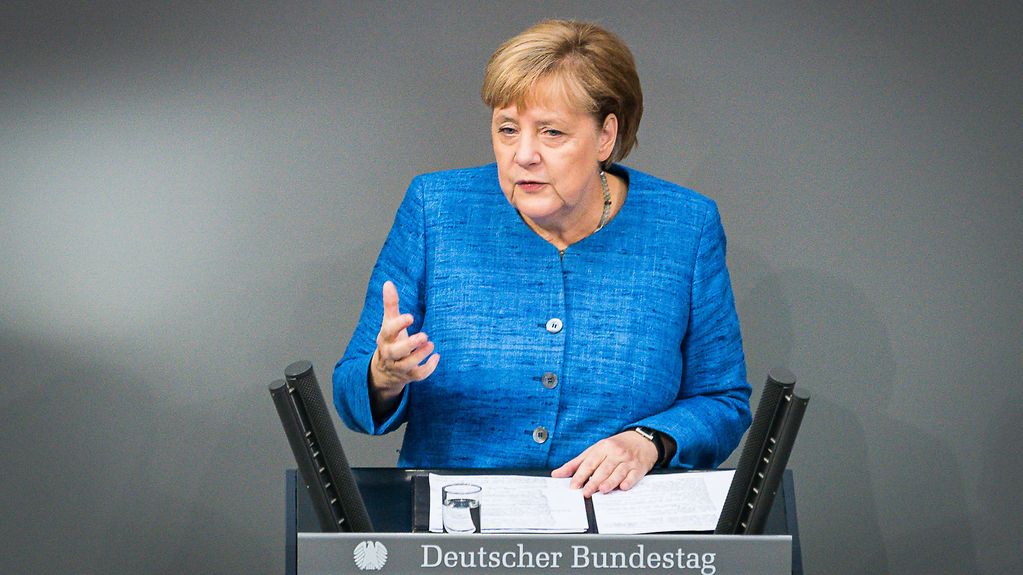
In his book, he cites concrete examples such as the 2015–2016 refugee crisis, when Germany accepted more than one million migrants under Angela Merkel’s “Wir schaffen das” policy. According to Murray, this contributed to rising crime, terrorist attacks, and deep social polarisation.
He goes further, suggesting that Europeans suffer from a historical guilt complex—linked to colonialism, wars, and the Holocaust—which makes them reluctant to defend their borders and values in the face of more assertive cultures.
This perspective is highly controversial. Many analysts and academics—especially on the political left—consider it alarmist or xenophobic, arguing that migration is essential for Europe’s economic survival given its ageing population and labor shortages. Others counter that migration does little to help Europe beyond accelerating its transformation into a struggling, unequal society.
Recent 2025 data show that net migration compensates for Europe’s natural population decline, but its contribution to economic growth remains debated.
Murray’s critics, including liberal media commentators, argue that the “suicide” narrative ignores the benefits of multiculturalism—cultural innovation, diversity—and that real problems, such as integration failures, stem from inadequate policies rather than migration itself.
In 2025, the debate remains relevant. The rise of anti‑immigration parties in countries like France (where Marine Le Pen has gained ground) or Italy (under Giorgia Meloni’s stricter policies) reflects concerns similar to those described by Murray. Meanwhile, Eastern European countries such as Poland and Hungary have adopted even firmer stances against Muslim migration—an approach Murray might interpret as a model of resistance aimed at preserving cultural homogeneity.
Ultimately, whether we speak of a “suicide” depends on perspective: for some, it is a powerful metaphor for the risks of failed integration; for others, an exaggeration masking deeper prejudices.
French anthropologist and historian Emmanuel Todd offers a contrasting view of Western decline. While Murray describes a cultural “suicide” driven largely by mass migration and Islamisation, Todd—writing in La Défaite de l’Occident (Gallimard, 2024)—sees decline as a form of self‑inflicted defeat, rooted in internal demographic, religious, and geopolitical processes. Migration, in his view, plays a secondary or even potentially positive role in certain contexts.
Todd argues that the West has reached a “zero stage” of religion, where the disappearance of Protestant values—discipline, work ethic, community integration—has produced a moral and social crisis. This crisis manifests in rising obesity, political instability, aggressive foreign policy (such as strong support for Ukraine), and a destructive nihilism that ultimately harms the West’s own allies.
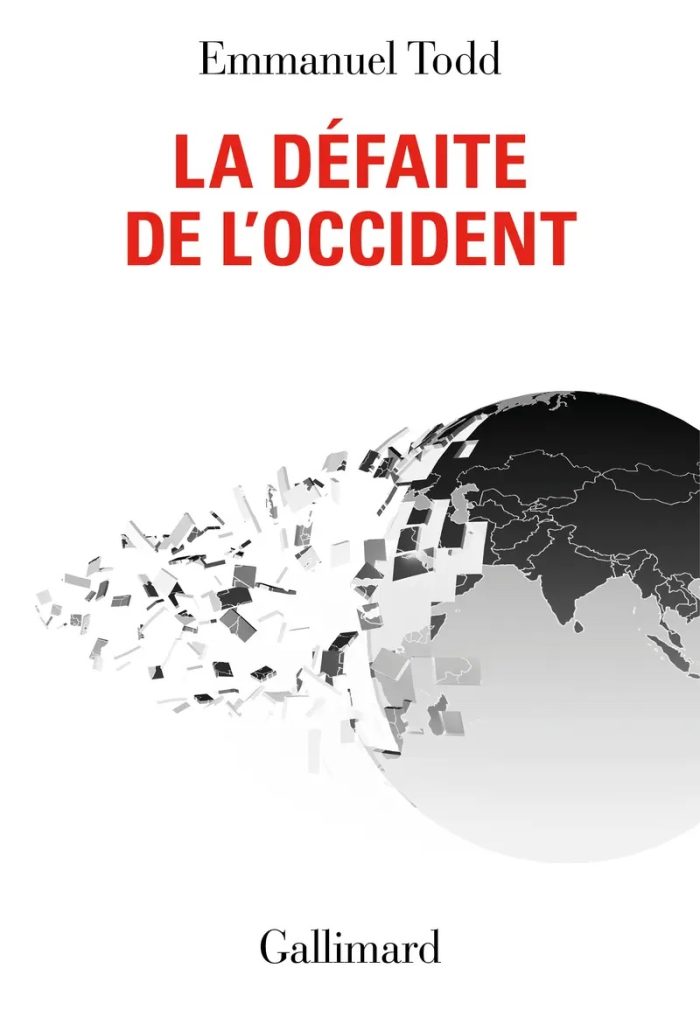
For Todd, Islamisation is not an external “conquest” but a catalyst for Islamophobia as an internal pathology: a religious crisis among secular, educated elites who project post‑Christian anxieties onto Islam as a civilisational enemy. This phenomenon is especially visible, he argues, in anxious elites in France and the UK. He links it to what he calls “zombie Catholicism”—reactive remnants of past beliefs—and to a metaphysical void rather than a cultural invasion.
Both Murray and Todd see an element of self‑inflicted decline in Europe, but their explanations diverge:
- Murray emphasises external factors: mass migration and multicultural policies that, in his view, fragment society and weaken Europe’s Christian/secular identity.
- Todd emphasizes internal factors: secularization, the collapse of Protestant ethics, economic rent‑seeking, and geopolitical miscalculations—such as what he interprets as Western failure in Ukraine—contrasted with a culturally stable Russia.
Together, their perspectives illustrate the broader debate over Europe’s future: whether the continent is being undone by external pressures or by internal decay.
A Geopolitical Perspective
The phenomenon often described as the Islamisation of Europe, previously discussed in the context of mass migration, crime, and cultural change, has taken on a significant geopolitical dimension by 2025—shaping not only Europe’s internal dynamics but also its position on the global stage.
Geopolitics here refers to the intersection of demographic flows, external state interests, regional security, and the international balance of power.
As Europe experiences a rise in its Muslim populations—estimated at 5–6% of the EU’s total, with projections of further growth due to migration and higher birth rates—this demographic shift becomes a tool of influence for external powers, a source of internal division, and a challenge to traditional alliances.
From an external standpoint, Islamization is not solely an organic process; it is often amplified by state actors in the Middle East and South Asia, who view Muslim diasporas as channels for expanding their soft power.
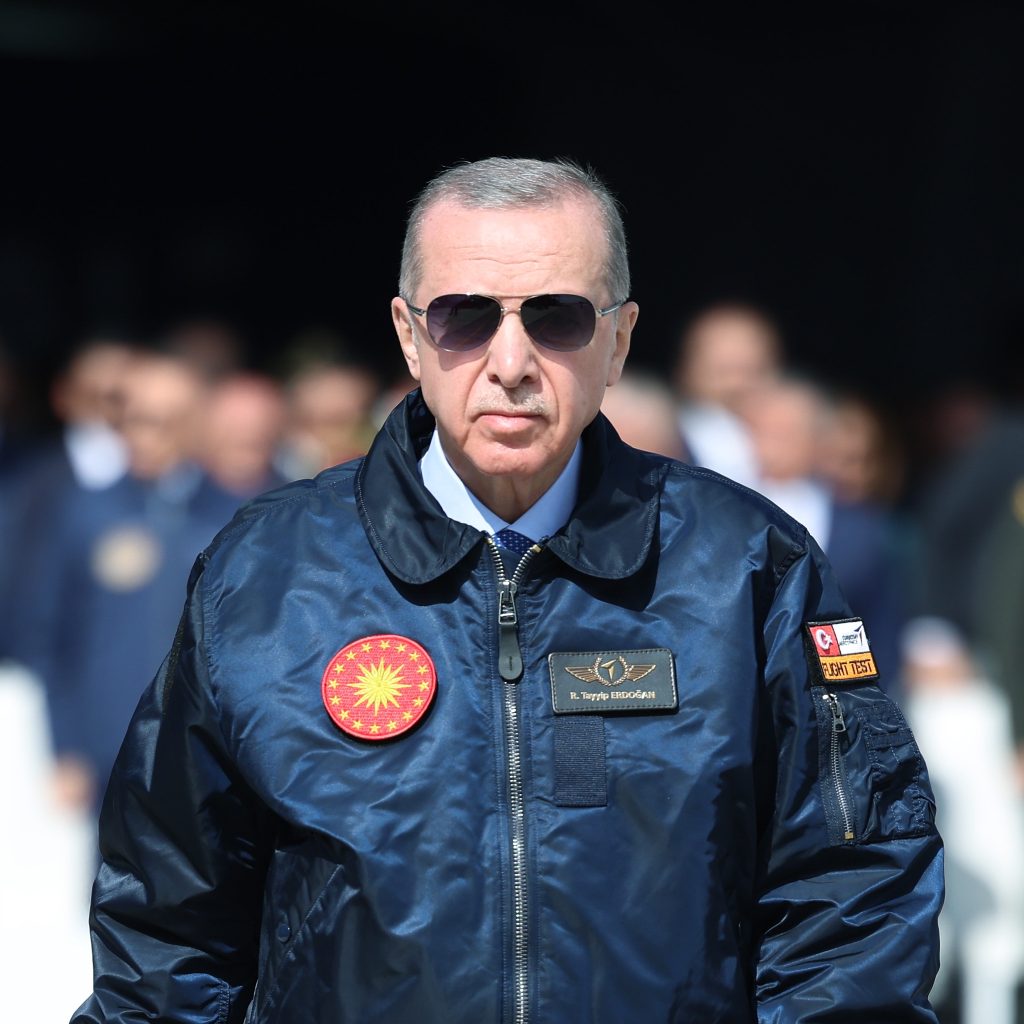
Recep Tayyip Erdoğan. Foto FB
Turkey, under President Recep Tayyip Erdoğan, plays a pivotal role, using migration as a geopolitical lever. In 2025, Ankara continues funding mosques and Islamic organizations in countries such as Germany and the Netherlands, promoting a political Islam influenced by the Muslim Brotherhood. Analysts argue this contributes to tensions over secularism and creates dual loyalties among segments of the Turkish diaspora. These dynamics have fueled diplomatic disputes, including negotiations over EU migration funding—more than €6 billion since 2016, with extensions through 2025.
Saudi Arabia and Qatar invest heavily in Islamic infrastructure, financing thousands of mosques across Western Europe. Analysts suggest these investments promote conservative interpretations of Islam, such as Wahhabism, and influence debates on integration. These efforts also serve geopolitical aims, including countering Iranian influence among Shia communities in Europe, effectively extending the Middle Eastern “cold war” onto European soil.
Conflicts in the Middle East—Syria, Yemen, Gaza—intensified in 2025, generating new refugee flows that strain European borders and allow regional powers to export instability while negotiating economic or political concessions.
Internally, Islamization deepens geopolitical divides within the EU, widening the gap between a more permissive West and a more resistant East.
Countries such as Poland, Hungary, and the Czech Republic, with strict anti‑migration policies, view Islamization as an existential threat to national and Christian identity. They reject EU relocation quotas and strengthen alternative alliances such as the Visegrád Group. In 2025, these states blocked reforms to the EU Migration and Asylum Pact, resulting in fines from Brussels and weakening EU cohesion—making the bloc more vulnerable to external influence.
Russia, frequently portrayed as hostile in Western narratives, is accused of exploiting these divisions by using migration as a hybrid weapon—as seen in the 2021 Belarus border crisis—and by promoting anti‑Islam narratives in pro‑Kremlin media to fuel right‑wing populism.
China, meanwhile, views migration as an opportunity to expand its economic influence, investing in infrastructure in countries with large migrant populations, such as Greece and Italy, through the Belt and Road Initiative, thereby reducing Europe’s reliance on Western alliances.
According to Frontex, these dynamics contributed to a 22% drop in illegal entries into the EU in the first nine months of 2025, but also heightened internal tensions, with Western governments such as Germany and France accused of underestimating geopolitical risks.
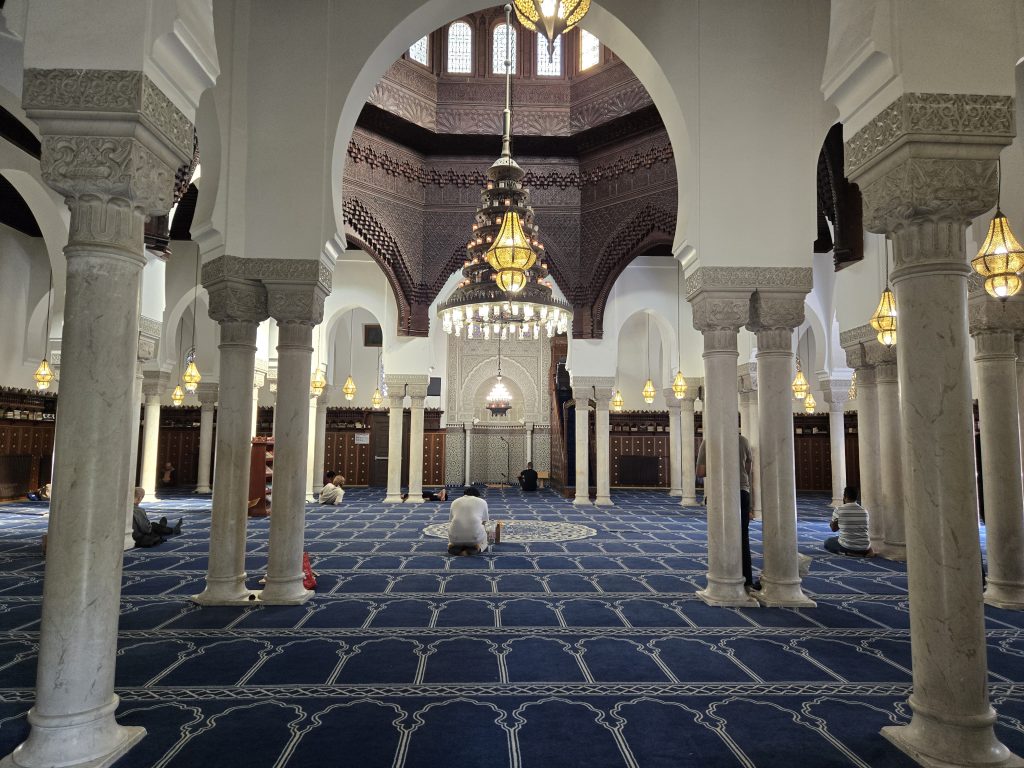
In 2025, EU reports indicate a rise in hybrid threats, with groups such as ISIS and Al-Qaeda recruiting from marginalized migrant communities and using Europe as a base for global operations.
Security is another critical pillar, where Islamisation is linked- fairly or not – to concerns about terrorism and regional instability.
Radical Islamist attacks, driven by ideologies imported through migration, remain a major concern with implications for NATO cohesion. EU reports in 2025 indicate rising hybrid threats, with groups such as ISIS and Al‑Qaeda recruiting from marginalised migrant communities and using Europe as a base for global operations.
This has strained relations with the United States, where the Trump administration criticized European integration policies as too lenient compared with stricter American approaches.
Islamization also affects Europe’s power projection: a culturally divided population weakens unified responses to crises such as those in Ukraine or the Middle East, where the EU depends heavily on energy imports from Muslim‑majority countries. Some studies suggest that growing Muslim populations may influence foreign policy, with politicians of migrant background advocating more neutral positions on Islamic‑world conflicts—potentially weakening transatlantic solidarity.
In July 2024, U.S. Vice President JD Vance stated that “the United Kingdom is turning into an Islamic state with nuclear weapons,” suggesting that demographic shifts could transform traditional allies into potential security concerns for the United States.
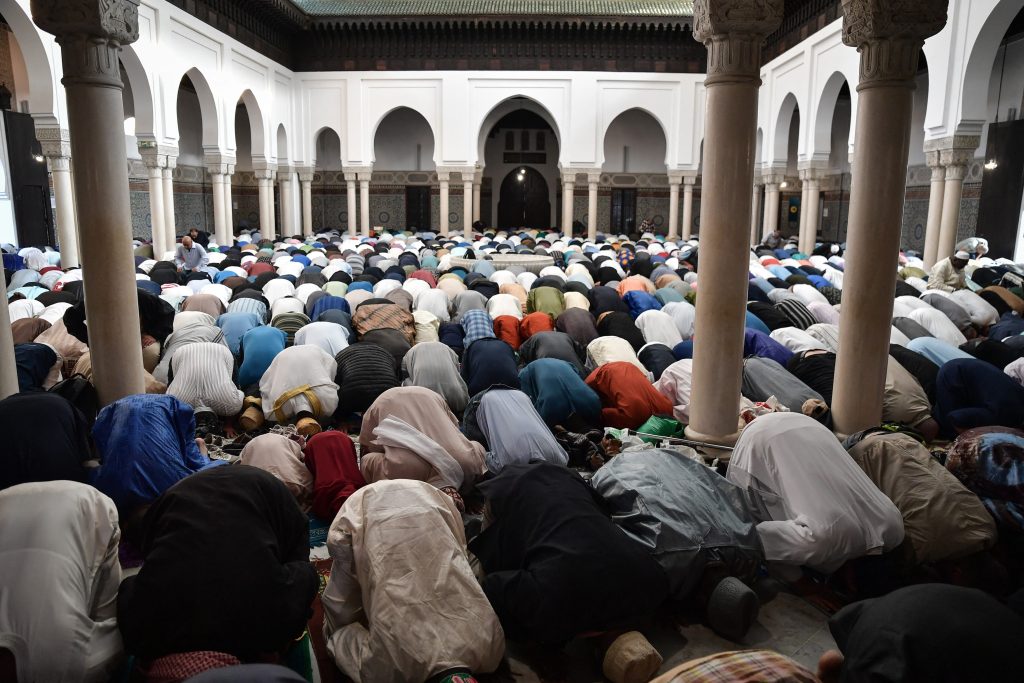
Muslims praying at the Grand Mosque of Paris
From a demographic and economic perspective, Islamization reshapes Europe’s long‑term geopolitical position. With native fertility rates below 1.5 children per woman in many countries and migration compensating for population decline, Europe risks losing global influence and becoming dependent on migrant labor to sustain ageing economies.
Projections for 2050 suggest Muslims could represent 10–15% of the EU population, potentially shifting alliances as Western European states deepen ties with Muslim‑majority powers such as Indonesia or Pakistan for trade and diplomacy.
Yet this phenomenon could also revitalise Europe through diversity—if integration succeeds. In 2025, however, persistent failures—such as ghettoisation and radicalisation—make the continent more vulnerable to external manipulation, transforming it from a strong global actor into a reactive one.
The geopolitics of Europe’s Islamization in 2025 highlights a struggle for the continent’s strategic direction. Migration has become a battleground for external powers, while internal divisions threaten EU unity. Balancing demographic realities, security concerns, and geopolitical pressures will be essential for Europe to maintain global relevance.
Muslims praying at the Grand Mosque of Paris. Photo: Profimedia
French Law Does Not Take Precedence Over Islamic Rules
According to an IFOP survey conducted for the magazine Écran de veille, Muslims aged 15 to 24—unlike older generations—are clearly more drawn to the most rigorous forms of their religion, preferring Sharia law over the laws of the French Republic.
57% of Muslims aged 15 to 24 believe that the laws of the Republic are secondary to the rules of Islam.
42% say they feel sympathy toward Islamism.
Another trend observed in recent years through recurring social events is the rejection of gender mixing.
45% of men under 35 and 57% of women in the same age group refuse at least one form of interaction, such as shaking hands, being treated by a person of the opposite sex, or going to a mixed-gender swimming pool.
Nearly one in two young Muslims under the age of 25 (47%) would refuse, for example, to kiss a person of the opposite sex.
The survey identified six movements, with the Muslim Brotherhood receiving the greatest support—backed by one quarter of Muslims overall and one third of those under 25.