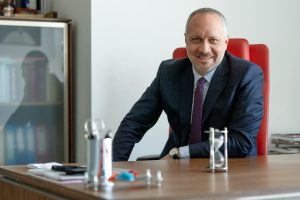
Karina Bolin, President of Humana People to People Romania, spoke to Q Magazine about how local communities can develop, health and education projects can be funded and, last but not least, the environment can be protected… through second-hand clothes.
- Rectorul UNEFS: Eu am cerut suplimentarea locurilor pentru studenți. Nu am vorbit niciodată cu generalul Vlad
- Roman Gofman a devenit noul director al Mossad. Netanyahu: Ridică-te și strălucește!
- Prof. Mariana Badea revine cu „Bumerang de manele… lingvistice”
- Generalul Gheorghiță Vlad: Resping toate acuzațiile! Nu pot ignora faptul că afectarea imaginii conducerii instituției Statului Major al Apărării într-un asemenea moment produce efecte care depășesc persoana mea
- Sindicaliștii din TVR amenință cu greva generală. Adriana Săftoiu, acuzată că dorește eliminarea drepturilor angajaților
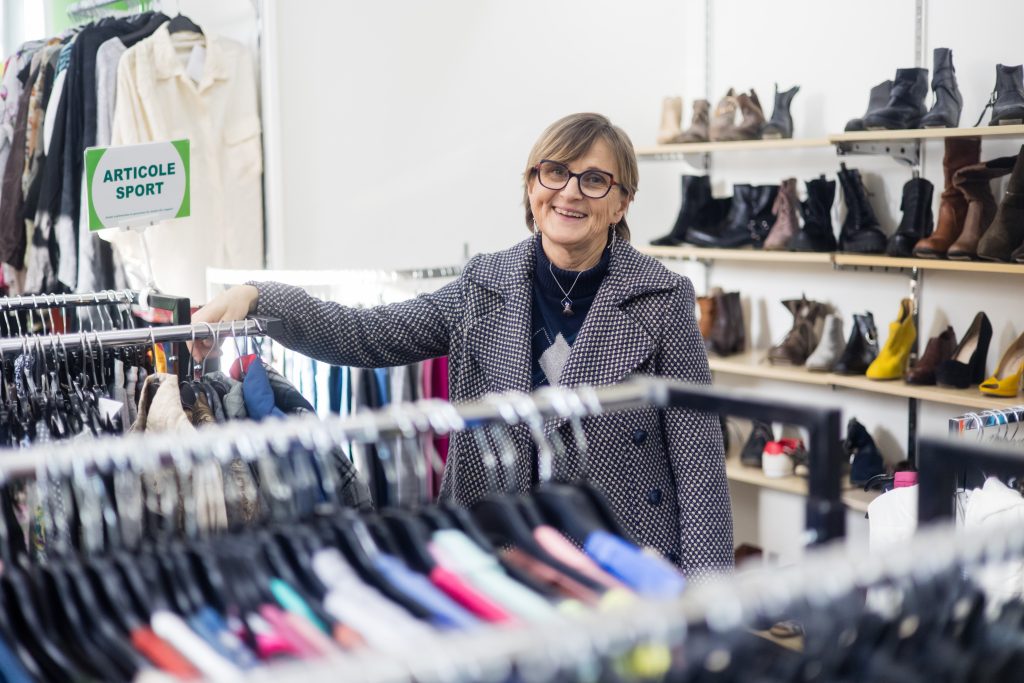
Humana Romania is affiliated with the Humana People to People Federation, which comprises 29 independent member organizations, and currently operates 41 stores in 20 cities. Foto Bogdan Dincă
WHAT HUMANA BELIEVES IN AND WANTS TO ACHIEVE
As the name suggests, the organization is based on the idea that amazing, sustainable and significant things can be achieved when people come together.
The Humana People to People international movement was born in 1977, with the aim of becoming an instrument to fight poverty and waste, and contributing to global projects for social development. Since 1996, the Humana People to People Foundation includes 29 associations that run programs in Europe (where it has around 500 stores), Asia, Africa, the United States and Latin America.

The Federation supports the activity of its members and facilitates the coordination of funds generated through the international sale of second-hand clothes, as well as through partnerships with governments and international bodies (the Global Fund, the World Bank and various companies), according to the needs of each country.
In 2022 alone, Humana member organizations have spent 117 million dollars in various projects around the world.
The concept is both ingeniously simple and handled in a complex manner: Humana collects, sorts and sells second-hand clothes, which contributes first of all to reducing textile waste, but also transforms clothing into a resource that creates jobs and funds. All profits (coordinated through the Humana People to People Education and Training Foundation), after taxes and investments, are redistributed to nonprofit projects.
Humana Romania is a member of ARETEX (The Romanian Association for Reuse and Recycling of Textiles) and an active member of EUric (The European Recycling Industries’ Confederation).
According to the organization’s vision, education is the foundation for sustainable development, peace, solidarity and inclusion – big words, which become a reality through each individual project. The organization strives to work with governments, educational institutions and communities of parents, teachers and students, to improve access to education.
Humana Romania was born in 2007 as a social project. Today it is a team of over 300 people that operates more than 40 second-hand stores across the country and is involved in projects and collaborations with NGOs supporting vulnerable people and educational, community and environmental projects.

Karina Bolin, president of the organization, explained to Q Magazine how the organization works and what impact it has had around the world and in Romania.
WHAT IS NOVEL ABOUT HUMANA
First of all, it is a viable business model, sustaining a circular economy. Clothes donated in Europe and the U.S. are sorted into three categories: 70% are sent to the second-hand markets in Europe and Africa, approximately 22% are recycled, and 8% are used for energy recovery.
The organization’s projects impact many local communities around the world, stimulate better policymaking regarding the effects of fast fashion on nature and society, and help diminish textile residues.
In 2022 alone, in Europe we collected and sorted 100.000 tons of clothes.
At the same time, this creates extra value for millions of people (whether involved in its activities or beneficiaries of its projects), creates sustainable jobs, provides access to good and affordable clothing for millions of people, and generates projects that help develop communities and education and health systems. In collaboration with various partners who are likewise interested in sustainable consumption, the Foundation is active in over 1400 local and national projects around the world” says Karina Bolin.
Things have changed though. If, time ago, Romanians were interested in second-hand stores mainly in order to buy affordable clothes, recent years have seen that it is particularly the younger generations (even starting with 12 to 14 years old) that are more conscious about their shopping choices and buy second-hand because they want to help reduce the negative impact of the fashion industry on the environment.
“The Romanian and the international market likewise are on a rising trend. Studies show that the reuse of clothes has grown 5 times more between 2019 and 2022, around the world, and it is expected that it will grow 9 times faster than the broader retail clothing sector by 2027. It is a market that already offers smart solutions. Our customers often find items that are not available in other stores, good quality clothing and affordable prices.
Every week, more than 40.000 customers make their purchase in our stores.
This sector has a big impact on many people’s domestic budgets” shares Bolin.

Humana Romania has stores in small towns and big cities, with a 5-week sales model that addresses different customer requirements and expectations. It works like this: at the beginning of the 5-week period, people can find more expensive clothes in our stores, even original brands, higher quality, but still at more affordable prices than elsewhere. Then we gradually introduce various discounts, culminating in the last day of that collection, when the general price is maximum 4 RON.
SECOND-HAND FASHION IS LESS POPULAR IN ROMANIA
Let’s talk about tangible effects. In 2022 alone, members of our Federation were operating
1410 projects in four main sectors: community development, health, education, and sustainable agriculture and environment.
The Humana community projects promote social inclusion and help small communities work together to optimize their opportunities for progress, and in 2022 we reached 510.000 families.
Health projects that we focused on in 2022 regarded education for empowering people to gain control over HIV/ AIDS and malaria, reaching 9,5 million people.
Our education programmes are engaging, relevant in their context, and encourage participation by training teachers and supporting school development . The impact of these actions has reached 2.7 million people.
Sustainable agriculture and environmental protection projects are implemented through the Farmer’s Club programme, which helps farmers become more knowledgeable about sustainable production and regenerative farming practices in their communities. 161.000 farmers were part of this initiative in 2022.
Sustainability is essential to Humana. But how does this concept look like in Europe and in Romania? “I believe Romanian society is ready to embrace the change towards sustainability, to look at the bigger picture, and that is where we can bring solutions.
Through our projects, people can truly be part of a positive change that has local, community and global impact. This is what second-hand fashion with a social purpose does. Fast fashion is no longer fashionable, and consumers want to benefit longer from good and accessible textile, while also contributing somehow to protecting the environment and creating a better situation for other people.
Actually, our business model is in agreement with the European Union’s Strategy for sustainable and circular textiles (March 2022), which aims to create a greener textile industry, that is more competitive and resilient in front of global crisis” adds Ms. Bolin.
Among the UE’s objectives until 2030 is the obligation that all textile products on the European market be durable, repairable and recyclable, to a greater extent made of recycled fibres, free of hazardous substances, produced with respect for social rights and the environment, that there is support for the development of reuse and repair services, and that producers become more responsible about the whole life cycle of the products.
The European Union wants to fight overproduction and overconsumption, discouraging the destruction of unsold or returned textiles. In addition, the aim is to diminish the unintentional release of microplastics from synthetic textiles, developing solutions for greenwashing (and also educating consumers about it), restrictions for the export of textile waste and promoting sustainable textiles globally, and supporting circular business models, including reuse and repair services. All Member States are called to support these aims” adds Karina Bolin.
CHANGING MENTALITIES THROUGH EDUCATION
Young people are catalysing change. “Romanian society does not yet fully comprehend the second-hand business concept; this is often treated with mistrust, due to a lack of information. We are happy that in 2023 we received numerous requests on behalf of the media, to explain what sustainable fashion is and how each of us can make a difference. This is a good attitude, even if there is still some reluctance, which is normal in any change process,” says the president of Humana Romania.
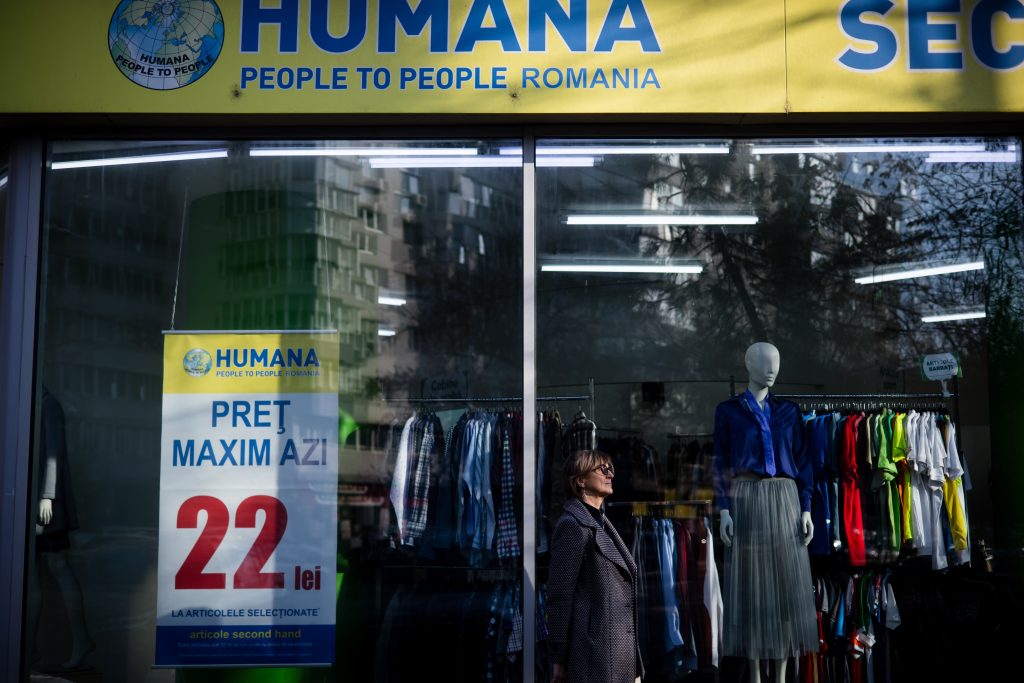
„In 2023 we received an increasing number of requests on behalf of the press to explain sustainable fashion” says Karina Bolin. Photo Bogdan Dincă
In most European countries, second-hand clothes are seen rather as a reusable resource, and a fashionable thing. There is a need for support also from government institutions to help Romanians understand this concept and its impact. 2024 is an important year, when Member States will approve the national implementations of the directive defined by the EU. For these national policies, we need to have a broad public consultation, and an analysis of the development of the reuse and recycling in Romania.
Together with European policymakers, Humana leaders have discussed and helped define the sorting specifications for used clothes and have contributed with their experience and good practices to policies about the reuse of textiles and reduction of waste.
“Another European project we are involved in is called Quantification and composition analysis of textiles intended for re-use, recycling and disposal, and its objective is to better understand the composition of fibres in various categories of second-hand clothes, as well as other items that cannot be reused anymore and are meant to be recycled. This project will be completed by the end of this year, and for it we are working with a few European institutions, among which The National Institute for Research and Development for Textiles and Leather in Romania (INCDTP), The Institute for Circular Economy (the most important Czech NGO in the field of innovative environmental management) and a British organization working with analysis of various materials and textile fibres (Matoha Instrumentation Ltd)”.
Karina Bolin says it is no longer a secret for anyone that the fashion industry has a high negative impact on the environment. “On one hand we are talking about a huge waste of resources, particularly water and land (needed for the crops generating raw materials for textiles, like cotton and linen).
The textile industry is the second largest water consumer in the world, and the impact of carbon emissions is even bigger – particularly the production of new textiles contributes with 10% to the total level of global emissions, even more than air and water transport together.
Finally, yet importantly, the planet is overloaded by the pollution generated by the production process itself, and the amount of waste is as high as 78 million tons every year.
These things have been known since at least a decade ago, and policymakers are starting to shift towards a production of textiles that is more aware of its impact, which – we hope – will lead to a better use of natural resources. This has a massive impact on agriculture and food security too.
Recycling is the last option when a piece of clothing can no longer be used, as also indicated in the waste hierarchy designed by the European Commission.”
So first, we must reuse, and only if this is no longer possible, then we should recycle.
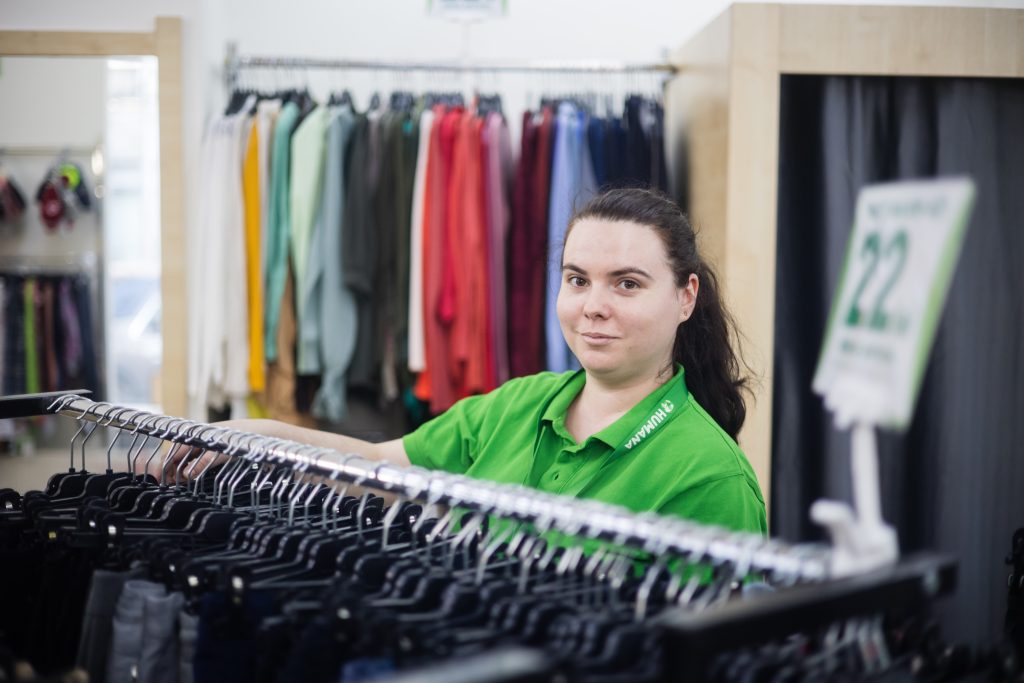
Karina Bolin shows that “currently, recycled fibres make up only about 1% of the materials used for the production of new textiles”. There are quite a few studies and investments that try to develop the European recycling capacity. So far, existing technologies are not able to recycle large quantities of clothes with mixed fibres, and besides, the recycling process itself requires big quantities of energy and water, hence it is a very limited solution for reducing the impact that the fashion industry has on the environment.
“First of all, we need to increase the life cycle of each clothing item by reusing it. It’s simple: if we make a conscious choice to repair and reuse clothes instead of buying new ones, whether it is an evening dress or a jacket with a broken zip, there will be less low-quality clothes produced, and this will also reduce the consumption of natural resources and the CO2 emissions.
A Life Cycle Assessment study conducted by EUric (The European Recycling Industries’ Confederation) shows that purchasing a second-hand T-shirt (which means reusing it) generated 70 times less carbon emissions compared to buying a new one. Another study, conducted in 2023 by ThredUp (an online second-hand retailer) calculated the carbon footprint of a new clothing item compared to a reused one. The difference in carbon emissions between a new and a reused item is of 3.82 kg. If we multiply this by the global population, it means as much as 1 billion CO2 emissions saved, like if we took 76 million cars off the road for a day, and in terms of energy saving is like the amount needed to watch 37 billion hours of Netflix” shows Karina Bolin.

Reuse – clothing items are used once more for the same purpose they were produced for
Recycling – processing materials that otherwise would be disposed of, and transforming them into new products
SAVING OLD CRAFTS
We asked the representative of Humana Romania about their local projects in our country. An important example is the development of repair shops for clothes and shoes within local communities.
“This year we are starting a support project for this small and unseen community of craftsmen and women, that, from what we have seen, is quite ignored but is important for creating more green jobs, prolonging the life span of clothes, and for sustainable consumption. We are currently in a startup phase and hope to be able to provide more information after we will progress with the implementation.
Another initiative we started in 2023 is called Threads of Compassion, through which we offer vouchers for people in need (worth 150 RON each) for buying clothes in our stores. We believe that all people, regardless of the environment they come from, deserve to have access to appropriate and affordable clothes” says Karina Bolin for Q Magazine.

Humana has launched this project in Ploiești for Christmas 2023, and for the Easter period this year it will also be developed in Bucharest, Constanța and Brașov, and then in all the cities where they have stores.
“While distributing these vouchers, with the help of local associations, we met a single mother raising five children, who worked two jobs and lived in an abandoned building with no windows or heating. She was extremely grateful for being able to buy clothes for her children for Christmas. We were touched by her efforts for educating the children, and her determination to send them to school despite the difficult situation. Such efforts reminded us of the importance of resilience and persistence” recounted Bolin.
Humana Romania has supported local NGOs among which Concordia and Grow and Know, which implement projects for children and young people from difficult environments, including foster homes and rural areas.
In 2024, Humana Romania will keep education as a priority, particularly regarding the environment, and will organize the first non-formal workshop on Sustainable fashion. “It will be a free event, open for anybody interested in educating young generations about this field. Humana employees will have the opportunity to contribute as volunteer facilitators in schools for this project, raising awareness about the negative impact of the textile industry on the environment and also possible solutions for this issue”.
HUMANA EMPLOYEES ARE PART OF THE CHANGE
“We believe it is our responsibility to encourage our colleagues and also teachers to become more informed and knowledgeable about environmental conservation. In 2024 we will also support programmes that help with the conservation of the Danube Delta and reforestation in lowland areas. Our colleagues will participate as volunteers, because we understand the importance of learning through experience in order to catalyze change,” says the president of Humana Romania.
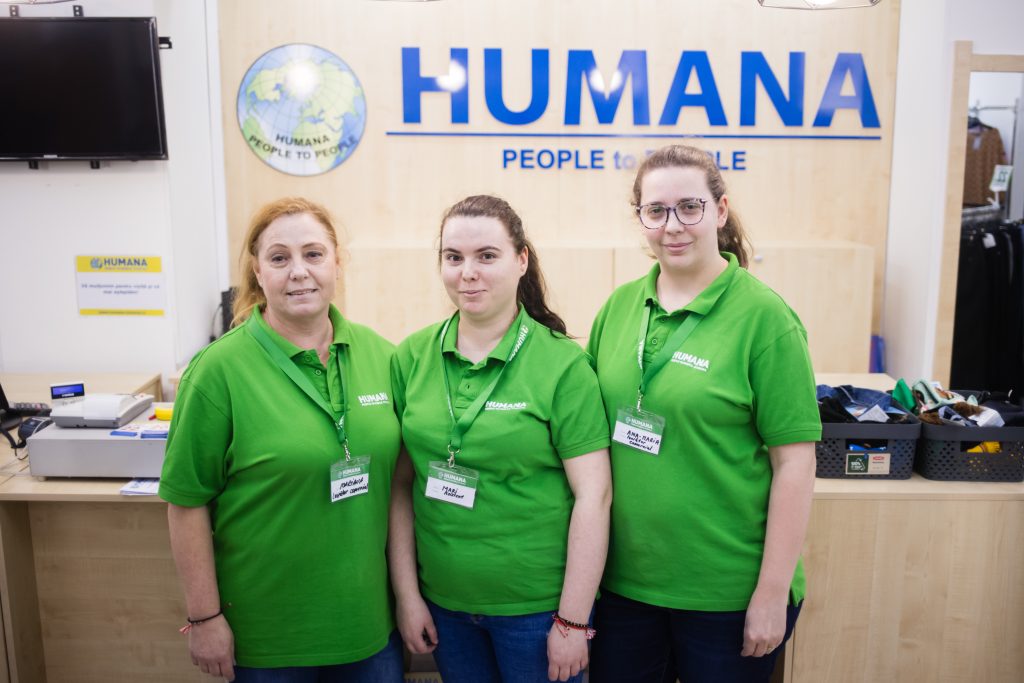
Besides, there is a partnership with the Economic Highschool in Ploiești, which enables students to do internships in Humana stores as part of their professional development. “We also launched The Humana Academy, a programme that provides professional development for our staff, including training opportunities regarding various soft skills (interpersonal skills and leadership development).
Each year, our employees can apply to visit Humana projects in other parts of the world. Besides, all our colleagues have the chance to take English lessons” underlines Bolin.
Child Aid is a programme dedicated to the integrated development of communities, which includes supporting children, parents and their entire community in order to improve the quality of life for children and create development opportunities for them, so that they not only survive but also thrive to their full potential.
The Village Action Group is the fundamental organizational structure in Child Aid, and it gives people an opportunity to create a forum for discussions, to plan common tasks, acquire knowledge, identify challenges, then find and implement solutions together. Their activities contribute to improving food security, promote good health, solve basic water and sanitation problems, create better education conditions, and organize care for the sick and for children in difficult situations. They stimulate the development of local savings and lending clubs to support family budgets.
Karina Bolin says that it is essential for the organization “to also work with children directly, as they are a force of development in their families. Our Child Aid program works closely with children, supporting them to know their rights, so they take an active role in safeguarding and upholding them. Child Aid supports children and families to secure birth certificates, children without parents are enrolled in schools and monitored so they do not drop out, and children affected by HIV/ AIDS and other health issues receive support for accessing medical treatment.
In 2024 we will have an education project about the impact of the textile industry on the environment. We will also continue the funding for programmes regarding reforesting and fighting plastic pollution. This way, step by step, we believe we can make a difference in the world we live in.”
THE EUROPEAN UNION REQUIRES MORE RESPONSIBILITY FROM ALL
This year, Humana plans to open 5 more stores and extend its team in our country. “We also want to see how we can impact more the local communities in Romania, and how we can contribute to its growth. To give you a sneak peek, we will also create a series of public events in our stores with some of the beneficiaries and colleagues of our projects in India, who will speak with our customers about how their shopping contributes to improving other people’s lives.”
On the other hand, Karina Bolin says it is a priority “to team up with producers in order to provide solutions for better handling second-hand clothes and ensuring nothing ends up in landfill, and once items not reusable anymore, that they are recycled and handled according to best practice. Humana Romania is working closely with the Bulgarian organization, which has a big sorting center for second-hand clothes in Varna and can professionally handle all types of textiles. This way, we truly contribute to reducing textile waste in Romania, and also participate in developing new initiatives for the end-of-life treatment of all types of garments”.
A priority for us is to work with producers in the industry, in order to provide solutions for the management of second-hand clothes and not let them end up in the landfill.
In 2023, for the first time we developed and distributed the Humana Impact Report. It is the first time we have done so in Romania, because we wanted people to know us better and to understand how their shopping habits impact both the environment and the lives of other people. Also, we think it is important for people to understand where the clothes come from and what the process until they reach our stores is.

Karina Bolin underlines the importance of understanding the need for change in this field throughout society, why we need to reduce the amount of waste in landfills, and how we can increase sorting capacities and reuse as well as recycle more various types of textiles.
“We hope to create opportunities for dialogue, also considering the development of the new Action Plan for the National Strategy regarding circular economy in Romania (created by the Department for Durable Development of the Romanian Government), because we firmly believe that a good, realistic legal framework, that supports sustainable business models, is key for a stronger economy that is also more friendly with the environment” Balin adds.
The government should stimulate and protect the second-hand industry, but first it needs to better understand its impact on the natural and social environment.
- Humana includes 29 associations that run programs in Europe (where it has around 500 second-hand stores), Asia, Africa, the U.S. and Latin America.
- In 2022 alone, Humana members have spent 117 million dollars in projects worldwide.
- Humana Romania runs 41 stores throughout the country, involving over 300 staff members.
- From the clothes donated globally, 70% go to second-hand markets in Europe and Africa, around 22% are being recycled, and 8% are used for energy recovery.
- The Humana projects support social inclusion and help small communities work together and find opportunities for progress; in 2022, 510.000 families were reached.
- In 2022, the focus in health projects was on the education and empowerment of people to gain control over HIV/ AIDS, tuberculosis and malaria, and these projects reached 9.5 million people.
- On education, the projects encourage participation through support for teachers as well as school development . The impact of these actions reached 2.7 million people.
- The waste generated by the textile industry each year is around 78 million tons.
- The difference in CO2 emissions between buying a new T-shirt, compared to a second-hand one, is of 3.82 kg.