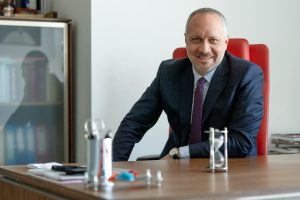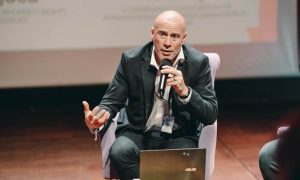
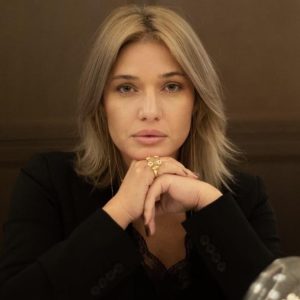
VITALITAS opened at the edge of Snagov forest, near Bucharest; it is the centre where the young or elderly may spend a day or a lifetime, to receive treatment or to reside. I visited it and I talked with Liviu Harbuz, Coordinating Manager, about how old people are healed from illness or loneliness.
- O companie americană construiește la Cluj primul centru de date din lume cu Inteligența Artificială Cuantică
- Val de naturalizări fără precedent! Număr record de pașapoarte germane în 2025
- Putin: Nimeni nu poate spune proveniența unui aparat de zbor până când nu este efectuată o expertiză
- Radu Miruță anunță semnarea unor contracte de miliarde vineri noaptea, la 21.45
- Nicușor Dan: O parte dintre drone au fost doborâte pe teritoriul ucrainean și una a avut traiectoria modificată și a ajuns în Galați
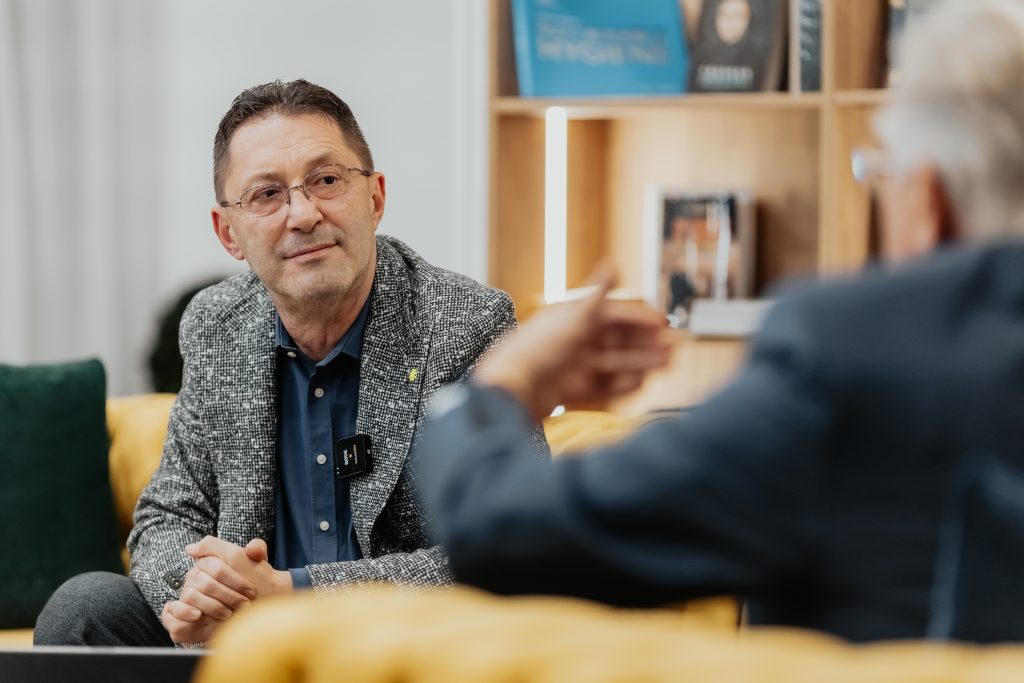
Details about prices can be obtained at phone number 0040770 121 121 and at email contact@vitalitas.ro. You can find more information on the VITALITAS website.
CENTER OF EXCELLENCE, NOT A LUXURY RESIDENCE
VITALITAS is like any other luxury residence in the world, but superior to any other in Romania. Did you have a model that inspired you? How did you build it?
Romania has been an EU member since 2007, and has aligned with all European standards. Unfortunately, in terms of provision of medical care for the elderly, dependent or with memory diseases, residencies have spread like wildfire, and many of them have become “repositories for seniors”. It is cynical, but unfortunately, it is true.

During our opportunity study stage for this investment, we have allocated thousands of hours for documentation, statistical reference research and, above all, info-trips to countries with extensive experience in this industry.
However, a residence for the elderly, dependent or with memory diseases, is not a mere luxurious building; it actually means high-quality services, qualified professionals and management specific to centres of excellence. That is why I strongly believe that VITALITAS is not like any other luxury centre in the world. We have not positioned ourselves as a luxury centre, but as a centre of excellence in medical care for the elderly, with multiple competencies and cost-effectively, considering the level of the services provided. All these features define VITALITAS today, whose main objective is quality longevity for all our residents.
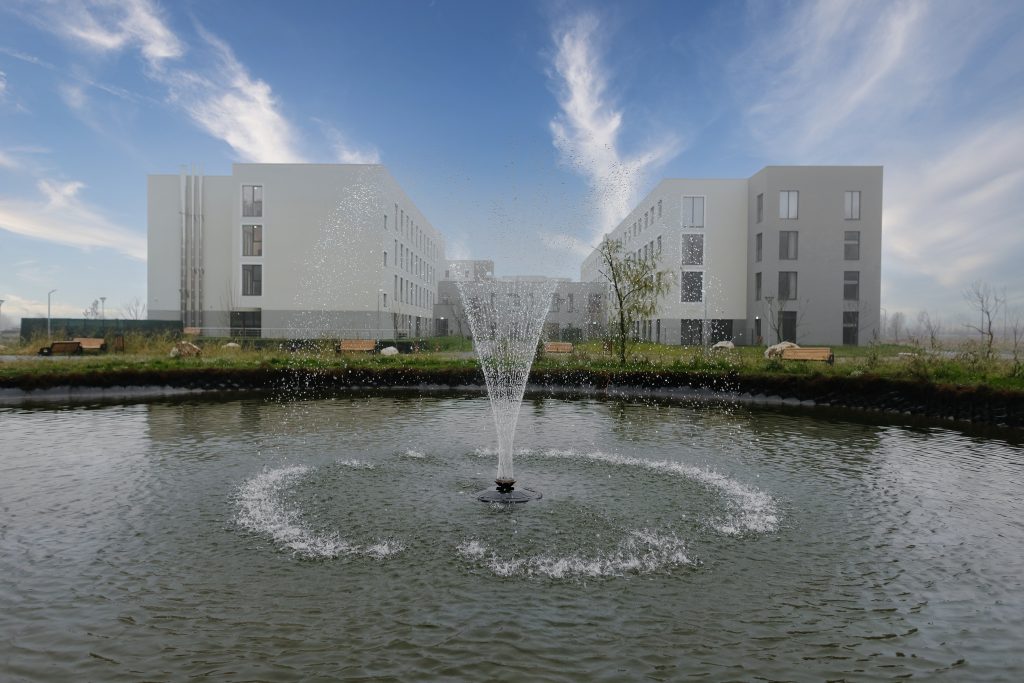
The VITALITAS Centre of Excellence for Support and Care For The Elderly and Prevention Of Memory Disorders is located at the edge of Snagov forest, and spreads over 29,955 sqm, out of which the building has a ground area of 4,195 sqm.
Our parents and grandparents fully deserve to be rewarded after a lifetime of work and shortcomings, most of the time. Can you tell us about the medical services provided here and the activities designed for those who choose you so that they can escape boredom?
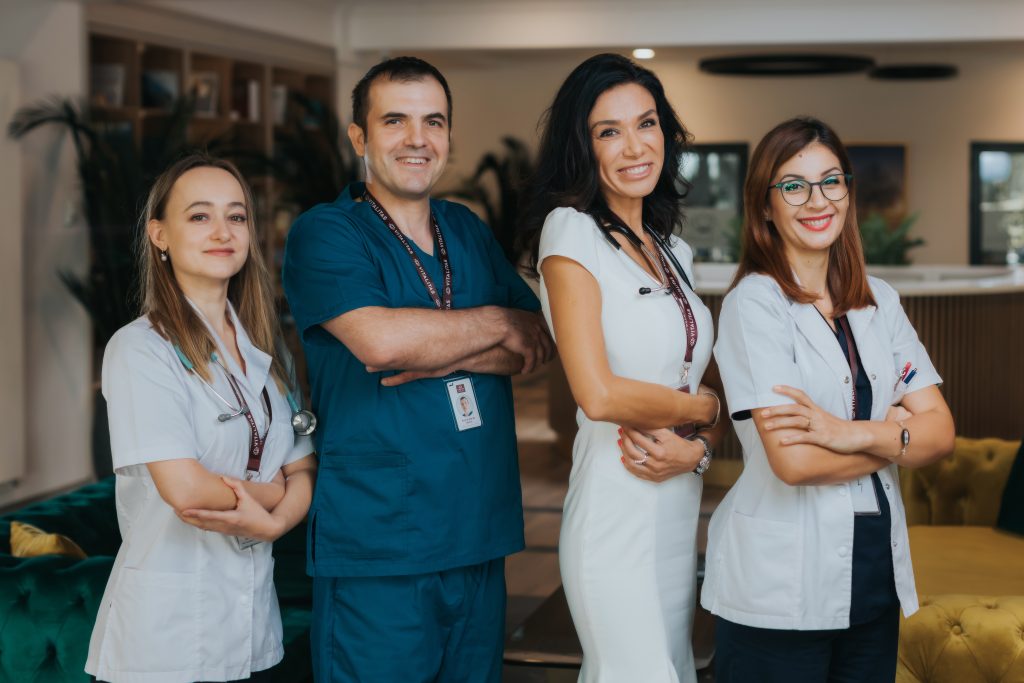
The medical services provided at the VITALITAS medical care Centre are designed to ensure active longevity and quality of residents’ life, in a comfortable environment, in relation to each resident’s specific needs. We pride ourselves with a multidisciplinary medical team concerned with physical and mental health, with a clear goal: to ensure well-being.
The geriatric consultant and the centre psychologist, the nurses and the health care assistants are key people of the medical care team, along with the support staff. The fact that the residents’ health is monitored on a daily basis enables anticipation of potential problems, thus providing a high level of safety and confidence. Doctors with the in-house medical clinic are available to residents and may treat or identify various conditions in the early stages. It is essential to maintain self-esteem and restore it to those who have lost it. We are concerned about changing mentalities in addressing the process of providing care services, and about approaching appropriate means for everyday reality.
The clinic, which is currently nearing completion, will integrate 6 medical consulting rooms equipped with state-of-the-art equipment. The medical consulting rooms will be open for both the centre’ residents and the general public and will cover the following specialties: Diabetes, Nutrition and Metabolic Diseases, Endocrinology, Neurology, Psychiatry, Physical Medicine and Rehabilitation, Balneology, Rheumatology, Ophthalmology, Holter Monitoring of BP, Thyroid Ultrasound. There will also be a modern dental office, open as well not only to residents, but also to the general public in the area.
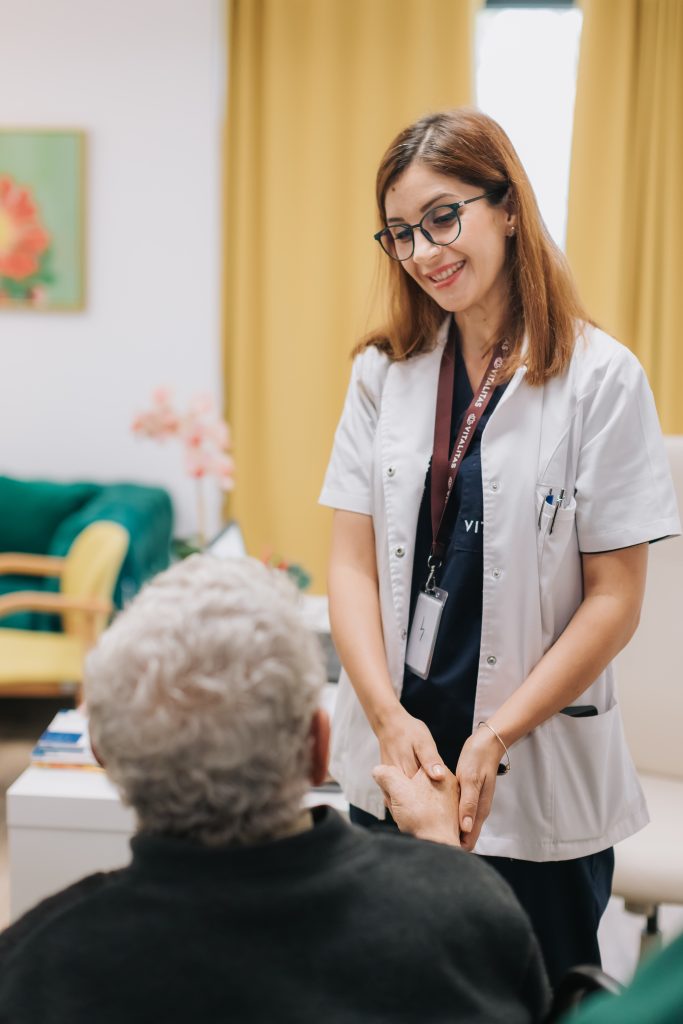
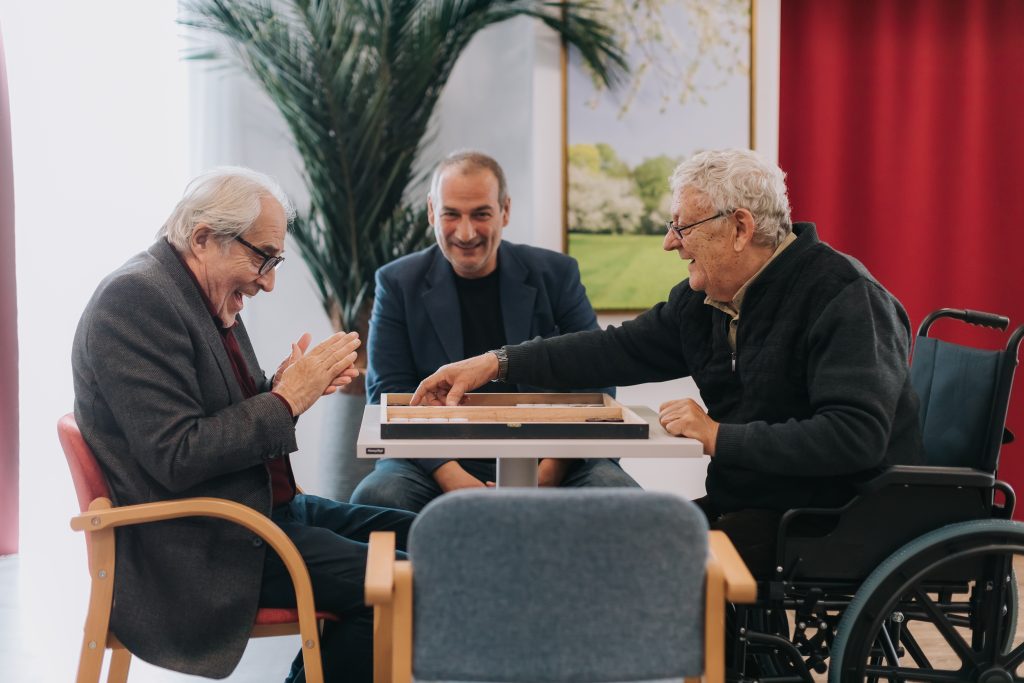
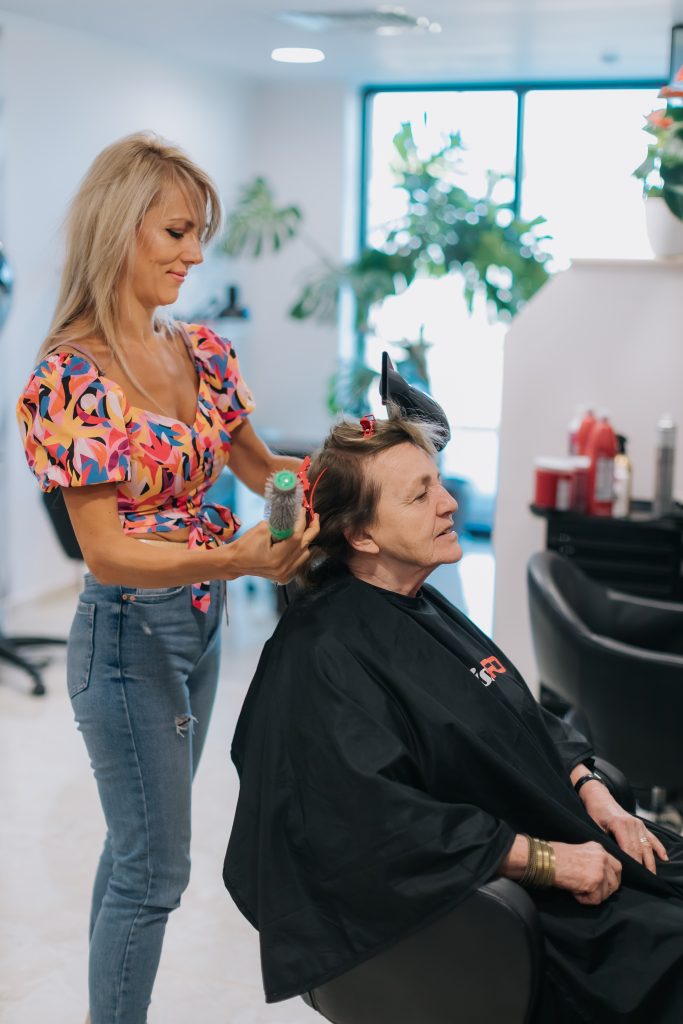
They say there are no diseases, but only sick people – that is why we understand to always treat our seniors depending on their life story, habits, hobbies, culture and desires; this is why the recreational activities at the Centre are always designed to consider all these: board games, drawing classes, dancing, socializing, celebrating birthdays or name days, going to our restaurant, pampering at the beauty parlour or visiting the Vitalitas Café.
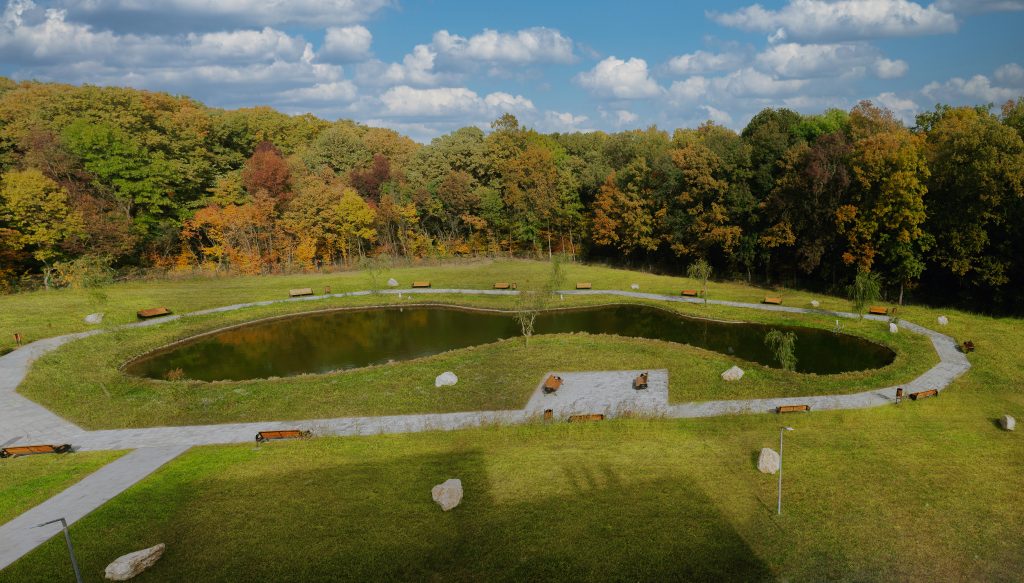
68% of the total land area is green space, which also includes two lakes.
FLOWER GARDEN AND VEGETABLE GARDEN
How did you recruit the personnel? Have you faced any difficulties, given that there is not yet a culture of residencies for seniors and especially of centres of excellence like this one in Romania?
Recruitment is indeed a difficult, continuous process, with little to offer. We use all the classic methods, recruitment agencies, recruitment of unmotivated personnel from the competitors, and with a certain degree of experience in this field. However, thorough recruitment is not enough; continuous professional development, adjusted to challenges, and the residents’ needs and profile are defining for a centre of excellence. This is one of the differences between a centre of excellence and an ordinary retirement home.
This “palace of health,” as you have called it, is located amidst a natural setting. Are there any outdoor activities for the elderly?
Of course. VITALITAS, which is located at the edge of Snagov forest, spreads over approximately 5 hectares, and is the largest centre dedicated to care services for seniors, and provides true recreation, movement and physical rehabilitation facilities. And this happens not only indoors, but also outdoors. Here, around a small artificial lake, on an area of over 20,000 sqm, we have created a park to engage in physical activity and go for a walk, in a tranquil area, which is safe for outdoor walks. We are going to create a garden next spring, so that our residents can grow flowers and vegetables as occupational activities.
You treat elderly conditions here, but you also provide other medical treatments. Give us some details!
We are the only Centre of this kind where, with the help of specialists in the field, all residents benefit from cognitive status assessment. We place a special emphasis on prevention, diagnosis and treatment of memory diseases. Adjacent to specific drug therapies, our residents participate in memory stimulation workshops, art therapy and occupational therapy. The VITALITAS Centre has a unit dedicated to neurocognitive disorders, with specific care for elderly with Alzheimer’s disease and personnel specialized in the management of behavioural disorders sometimes associated with this pathology.
Also, as I mentioned earlier, in order to cover a wider range of health services for our beneficiaries, we are developing a Medical Centre in the same location; it is focused on medical specialties for frequent elderly pathologies: Cardiology, Diabetes and Nutrition Diseases, Neurology, Psychiatry, Endocrinology, etc. However, it is worth to remember that a perfectly normal person can come to us just for medical recovery after a fall, or someone who wishes to relax for a day, a week or a lifetime.
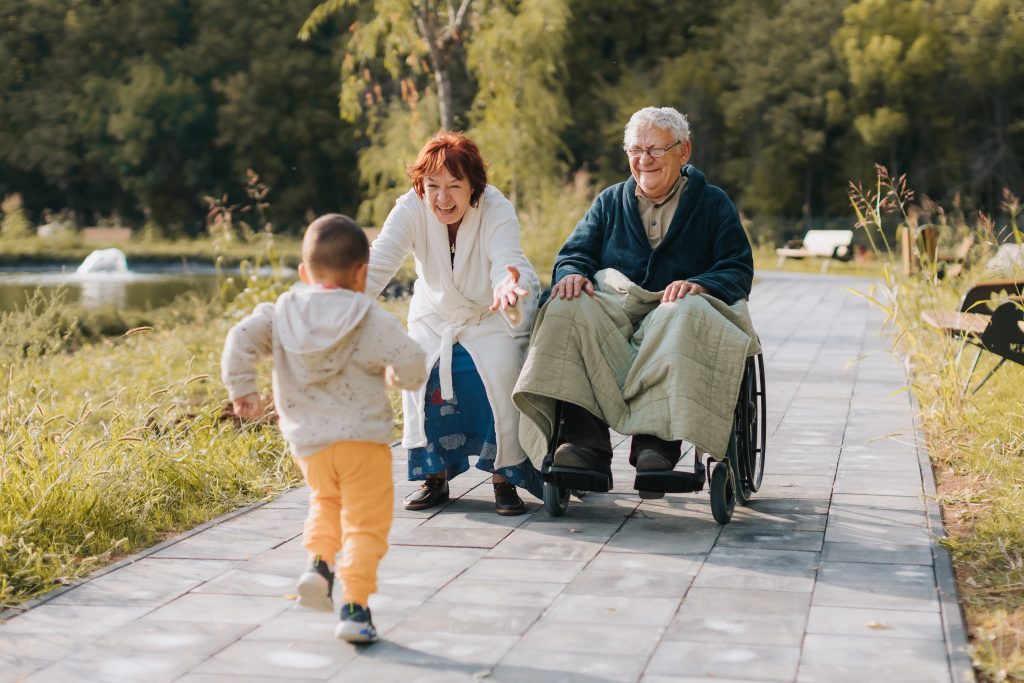
And, what is the most important, there is a place in our country where one can trust us with a parent or grandparent while their children or grandchildren have to leave the country or go on a holiday.
Here at VITALITAS we are not only concerned with body and mind, but also with soul rejuvenation.
THE MISSION
Lately there have been people talking more and more about loneliness. Obviously, this is not the case here, but have you thought how to ease loneliness for those who do not reside here, starting from the experience and expertise of the medical professionals here?
In our strategy, we have defined the establishment of a foundation that will contribute significantly to the development of our activity, namely to be able to supplement the lack of budget dedicated to care services for those people who want to benefit from our services. At the same time, in addition to the activity strictly addressed to our residents, we have proposed an ambitious project called “The Trust Network”; it is about social participation, identification and training of volunteers specialized in strengthening social intergenerational relationships. The mission of the project is to provide services to vulnerable elderly (single, elderly couples, people in need of moral support and constant control), to meet essential living needs and to prevent and limit social exclusion and marginalization.
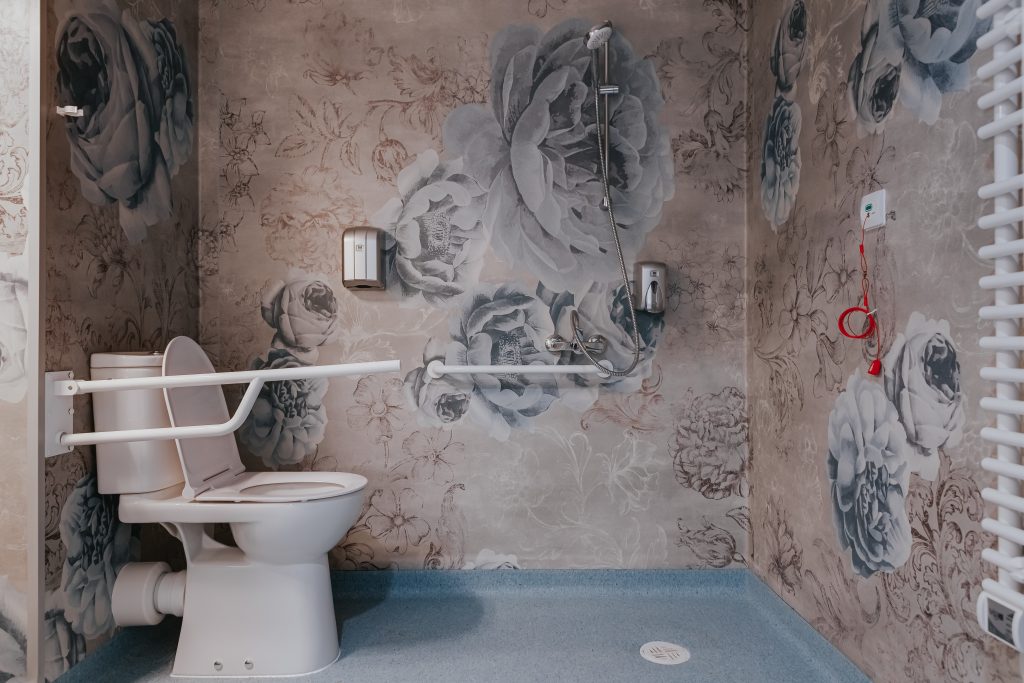
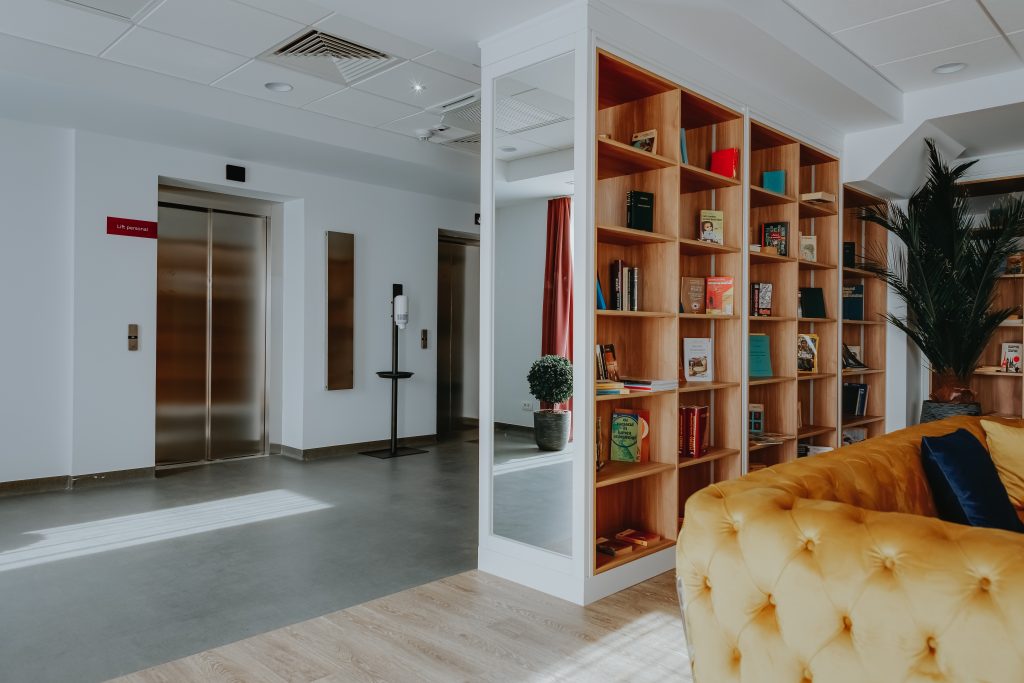
The furnishing of the rooms and related bathrooms was expressly designed to reduce the risk of falling in case of residents with locomotor problems. All rooms and bathrooms are equipped with nurse-call systems, so that residents can call the Centre’s medical staff whenever they need it. There is a “no-step” system including all the activities at the VITALITAS Centre, allowing residents to easily access all the facilities of the Centre: rehabilitation facility, dining room, beauty parlour, café, reception, shop, etc.
Foreign seniors could also be interested in the conditions offered here at the highest level. Have you thought about such an opening in the future?
Of course. Given the excellent services we offer, we also approached the international market, targeting Romanian communities in Germany, Israel, Italy, Spain, Great Britain. We used the local press in the areas where Romanian citizens live to promote the VITALITAS mission and the facilities we offer.
It was a successful initiative. We have residents whose next of kin live in Germany, Austria, Switzerland, Great Britain and Italy. We also have foreign residents.
The building is divided into two wings with GF + 3F and a connecting structure.
We specifically target Romanian citizens residing in other European countries who have their parents in the country and the necessary financial resources and who want their parents to benefit from excellent services in the field of care services, in Romania, safely.
The amounts of money the family has to pay monthly for the care of the elderly in retirement homes is not always reflected in conditions, assistance, food, medication, etc. Who checks if everything stipulated in the contract is observed by the centre personnel? How can these situations, which, in the end, can be deemed fraud offences, be reduced?
The implementation and monitoring of each clause of the social work and medical care agreement concluded with VITALITAS Centre of Excellence upon admission are verified by means of strict procedures and protocols.
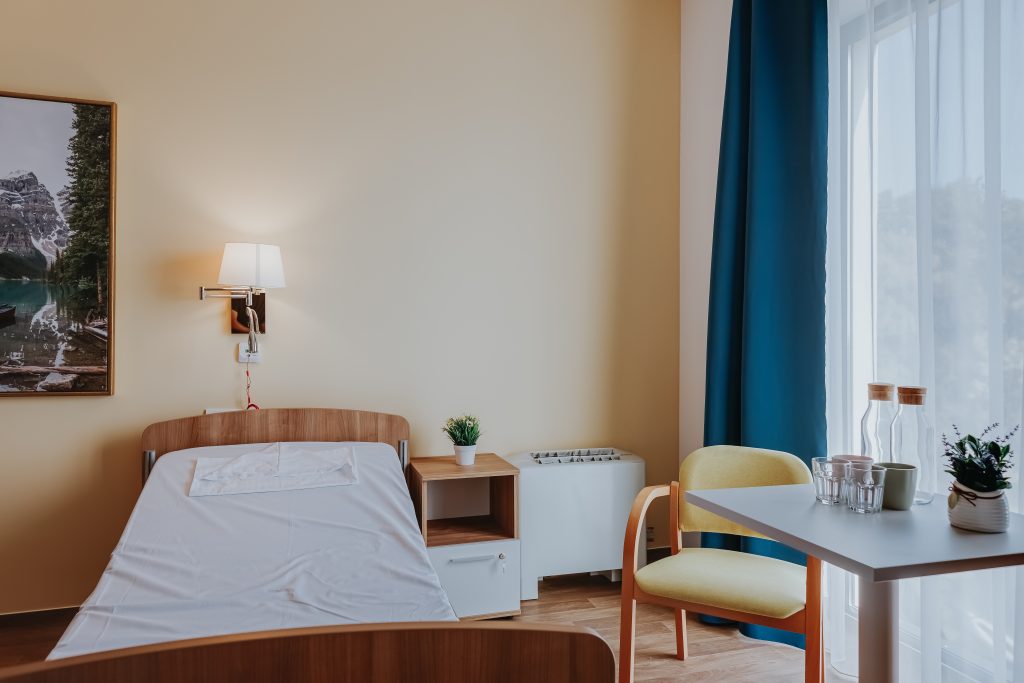
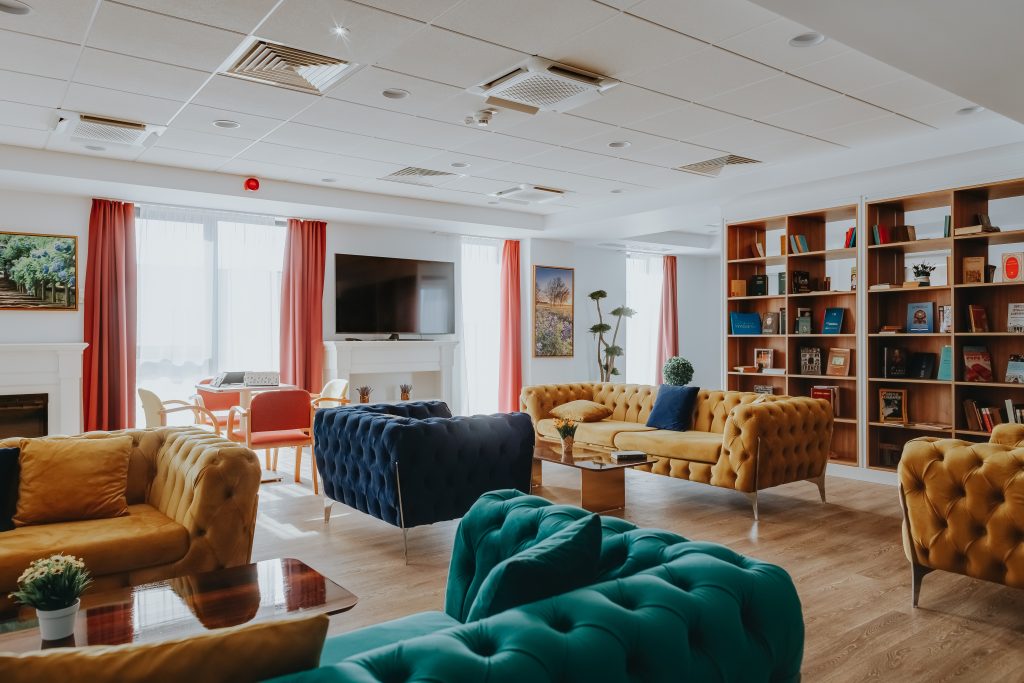
There are 238 rooms, out of which 6 apartments and 6 socializing lounges
Digitalization of the centre activity management system supports the activity of monitoring the observance of the residents’ rights under the contract, and elimination of abuse. We use programs and applications that, to a very large extent, reduce human errors.
Subsequent to a comprehensive analysis on the activity of potential competitors, we have also identified countless cases of abuse which have generated procedures and protocols which are implemented and observed by everyone involved.
AGEING DEPENDS ON INDIVIDUALS AND SOCIETY
Ageing is a global phenomenon; the percentage of people over 60 in the world will almost double by 2050, from 12% to 22%. Romania has a chronic problem with healthcare workforce, but also with its distribution and the mix of competences at territorial level, especially given the current demographic trends. Recent findings show that long-term care services for the elderly are underdeveloped and fragmented. What is the solution for the future?
I am directly interested in this phenomenon because I am no longer in my early youth, but quite close to the heart of the problem. The first condition is to consider the current demographic statistics and to prevent the social impact in the medium and long term, in relation to the possibility of doubling the number of people over the age of 60 by 2050. Let us not lose sight of the fact that those born after the Romanian Communist Party declared abortion and contraception illegal will become the largest generation of young seniors in 10 years’ time; this will certainly have a serious impact on the economy and social life; we have to think of a strategy that we can prepare now. Of course, this impact prevention strategy depends first and foremost on the economic situation of Romania, on the change of mentalities, on the qualitative evolution of the care and support industry. All these can only be done by means of appropriate laws.
Nowadays, this legislation is deficient in Romania, and favours the phenomenon of social services provided by the public system of institutionalization of the elderly. Quality shows, first of all, in the level of the provided services; this is why we initiated our own system of schooling and continuous professional training of medical and care staff. However, it would be appropriate to change the legislation as quickly as possible, and harmonize it with the realities of the Romanian society.
Geriatrics is a relatively new specialty in Romania. There are 13 public and private faculties of medicine, but only three Geriatrics departments. It is interesting, is it not?
I think we should be inspired by the models of successful geriatric networks in other countries that have developed integrative care systems for the elderly which include geriatric clinics, geriatric hospitals, medicalized nursing and care centres, but also mobile geriatric teams or multi-disciplinary examinations at home to prevent and diminish the need for hospitalization. Of course, all these include training several Geriatrics specialists. We also support this trend, which we consider to be salutary for the situation of all Romanian seniors.
Very often we hear that the responsibility of ageing is passed on to the individual: it is one’s responsibility what one looks like, how one ages actively, etc. Is it solely the individual’s responsibility? Should society not be involved? It is quite difficult for a person coping with poverty to undertake this responsibility. What is the fair solution? One cannot blame seniors for deteriorating over time.
Both the individual and society are responsible for ageing. When we talk about individuals, we mean prevention and maintenance through a healthy lifestyle including food, rest, physical activity, socialization. Social responsibility, in which the state must be involved, is about establishing a healthy and protective social framework for fragile people, but also about eliminating toxic factors that can damage mental health through a process of continuous stress. But, like you, I can only see the lack of information and education programs, the lack of prevention programs, pollution, social inequalities, the absence of active ageing programs.
The United Nations has declared 2021-2030 Decade of Healthy Ageing; states need to rethink multiple social systems to ensure dignified ageing. What does the process of “dignified ageing” look like for you and what lines/policies should the state pursue to ensure an optimal implementation in this regard?
The State must protect its citizens by all possible means. It is hard to talk about dignity, self-respect, in a country with precarious education and health systems, in a poor legislative dynamic, with unfair social welfare system, with pensions that do not even cover daily basic needs. What is the saddest is that today’s political decision makers, who hesitate to take appropriate measures concerning the elderly, think they are eternal and that they will remain young, losing sight of the fact that they will become beneficiaries of the lack of these measures faster than expected.
The concept of “benefitting from social protection” has often become a profession in Romania. Those who really need social protection are marginalized or socially excluded. Unfortunately, this is where most elderly people are included. Maybe I will repeat, but here, at VITALITAS, we support, preserve and promote self-respect. As for those who do not have it, we help them regain it. Human dignity is the most important goal for our work. Many of our residents discover access to living conditions they have even hopes for.
According to Eurostat forecasts, one in four Romanians will be retired in 2050, which will make us one of the highest ageing populations in the EU. Can we mitigate this trend? How exactly?
Easily! Through active longevity programs. We must create a friendly, healthy, challenging environment when talking about active longevity, in order to reach this goal. And good laws. Laws adopted by people who understand that they will inevitably grow old too. It’s all that simple.
WE ALSO CARE ABOUT PEOPLE UNDER 60
Longevity is the word of order today, everywhere. People are no longer happy just to look young – medicine has evolved, and cosmetic surgery can ensure this. Speaking of which, I was reading, for example, that American actress Joan Rivers had over 700 cosmetic enhancements. So, many people (not to generalize) are looking for “eternal youth”, but especially for “life without death”. Why this phenomenon? How much genuineness is there in a world where we all want to be young and beautiful?
As children, we all enjoyed fairy tales; we loved characters like Snow White, princesses or Prince Charming. All of these characters have amazing appearance. The pressure on our image and setting beauty standards begins at that age. But I do not think it is important whether one is in favour or against surgical cosmetic interventions, as long as we are genuine in human relationships, generous with our peers and affectionate. We can always be young and beautiful on the inside, without resorting to any miraculous scalpel. Our souls are the source of eternal youth. Here, at VITALITAS, we consider our residents as more experienced young people.
Great Britain has a ministry dedicated to loneliness, Japan has an industry to search for people who die alone in their homes, and loneliness has already been assimilated at macro-level to an epidemic in the United States; four out of ten people declare they have no close friend whom they can share the joys or hardships of life with. Things are almost identical in Europe. These realities reminded me that the press reported in 2017 the case of a single grandfather from China who placed the following notice in a bus stop: “Single man, over 80 years old, hopes to find a person or family of good faith and be adopted.” He died, waiting, after three months in which passengers ignored his request. Strangely enough, it took a few months until his neighbours realized that he was no longer alive. As an “insider”, please tell me: What does loneliness look like in Romania, what are the most affected segments, although we can already intuit, how do you relate to the elderly in such situations?
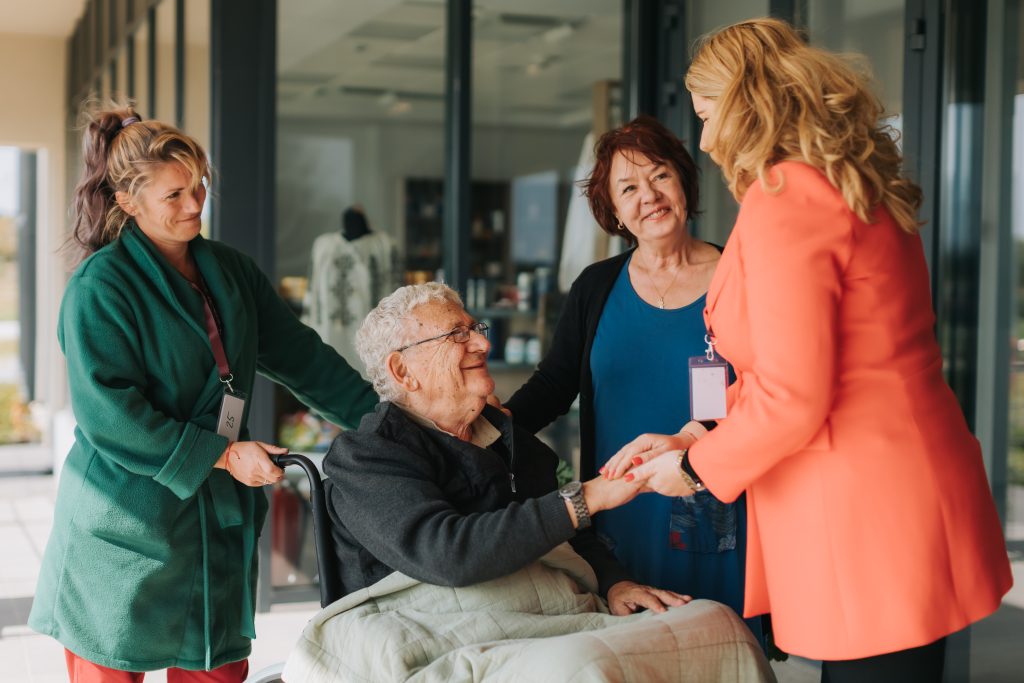
Our centre was created precisely to eliminate this social plague called “loneliness.” Unfortunately, it kills millions of people every day. We could say that it is the slowest and most painful death, mentally and emotionally, of course. That is why we hold socialization as one of our most important elements in terms of occupational psychology. We value socialization highly because it is also a preventive action for many pathologies.
As mentioned above, we consider to initiate the “The Trust Network” through the foundation, that will be a favourable addition to the activity of the VITALITAS centre; it is a project that uses the highest communication and telemedicine technology to connect single people in a social network; most single people are subject to various physical and mental problems. We have great confidence that this project will support inclusion and reduce social marginalization.
There are hundreds of thousands of elderly people who live, most often, in distressful isolation, simply because old age is considered a stigma. We sometimes see their stories in documentaries and emotional reportages and this is all that is to it. What are the consequences of such a mentality? Are there many cases in your field?
This phenomenon is called ageism (discrimination on basis of age). Unfortunately, it is found in all countries of the world and there are elderly people who feel it deeply, being fully aware of abandonment by society and of their futility. Our responsibility as individuals is to stand up and fight this phenomenon, regardless of our field of activity. The degree of civilization of a society is reflected in the way people cherish, value and love their seniors. There is a well-known Romanian saying, in answer to this phenomenon, according to which old people are a treasure.
For we must never forget that in our turn we will grow old and we will need love, appreciation and a sense of usefulness in society. Let us not forget that we are actually made of love, for love… until the end.
Here, at VITALITAS, we manage to record even the voices of silence.
I would also like to point out something: at VITALITAS, beyond active longevity, we are also concerned with people under the age of 60 who are legally deemed “dependent people” – people with various degrees of physical or mental disability.
Unfortunately, memory diseases, Alzheimer’s disease, haemorrhagic or ischemic stroke, heart attack, and in general degenerative diseases occur at younger ages, and require rehabilitation. We manage such cases at the VITALITAS Centre of Excellence; post-stroke rehabilitation procedures in people between 40 and 60 years old are highly incidental. The complexity of pathologies in both the elderly and the dependent requires an integrated approach of the care and support system.
What we do is very special. We teach the next of kin, who are the residents’ children or relatives, that these are genetic disorders, and prevention becomes mandatory.
Our motto is What matters is not just how many years you can add to your life, but how much life you can add to your years.
IMPLEMENTED FACILITIES
1. Access
Access is made by means of own means of transport or by outsourced transport services including ambulance services.
2. Geographical location:
The VITALITAS Centre is located in a special natural area, at the edge of the Snagov forest; there is a natural park and an artificial lake, fully available to the beneficiaries.
3. Security measures.
3.1. Video monitoring system (CCTV) for the outside perimeter of the Centre and the common spaces.
3.2. Secure access systems relying on electronic cards for all employees.
3.3. Nurse-call systems for all beds and bathrooms.
3.4. Access flows for all areas of the Centre based on pre-established procedures.
3.5. Fully digitized communication systems. Implementation of the “iCamin” application, for the medical and administrative management of the centre.
4. Occupational activities for beneficiaries: Ergotherapy, Art Therapy, Melotherapy, Ludotherapy, Dance Therapy, motor rehabilitation, state of relaxation. Cognitive and behavioural therapy.
4.1. Areas dedicated to group socialization activities and occupational therapies.
4.2. Speech therapy
5. Waste management systems including hazardous waste
6. Restaurant and own kitchen, equipped with state-of-the-art equipment
6.1 Resident accommodation in fully equipped rooms, with medical beds, furniture, TV sets, and bathrooms specially designed for the elderly with special needs.
7. Café, shop, beauty parlour.
8. Physical therapy centre, physiotherapy and aqua therapy, massage, equipped to the highest standards.
9. Spiritual counselling.
10. Fallout shelter.
11. Laundry with professional equipment and labelling flow for the beneficiaries’ clothes
12. Concierge activities.
13. Organization of events, birthdays for beneficiaries.
14. Pet therapy, but also the admission of beneficiaries with pets.
FACILITIES IN PROGRESS
1. Dental office, dental radiology
2. On-site pharmacy.
3. Saline
4. Multi-denominational chapel
5. Morgue
6. Establishment of a medical centre with 10 medical specialties.